
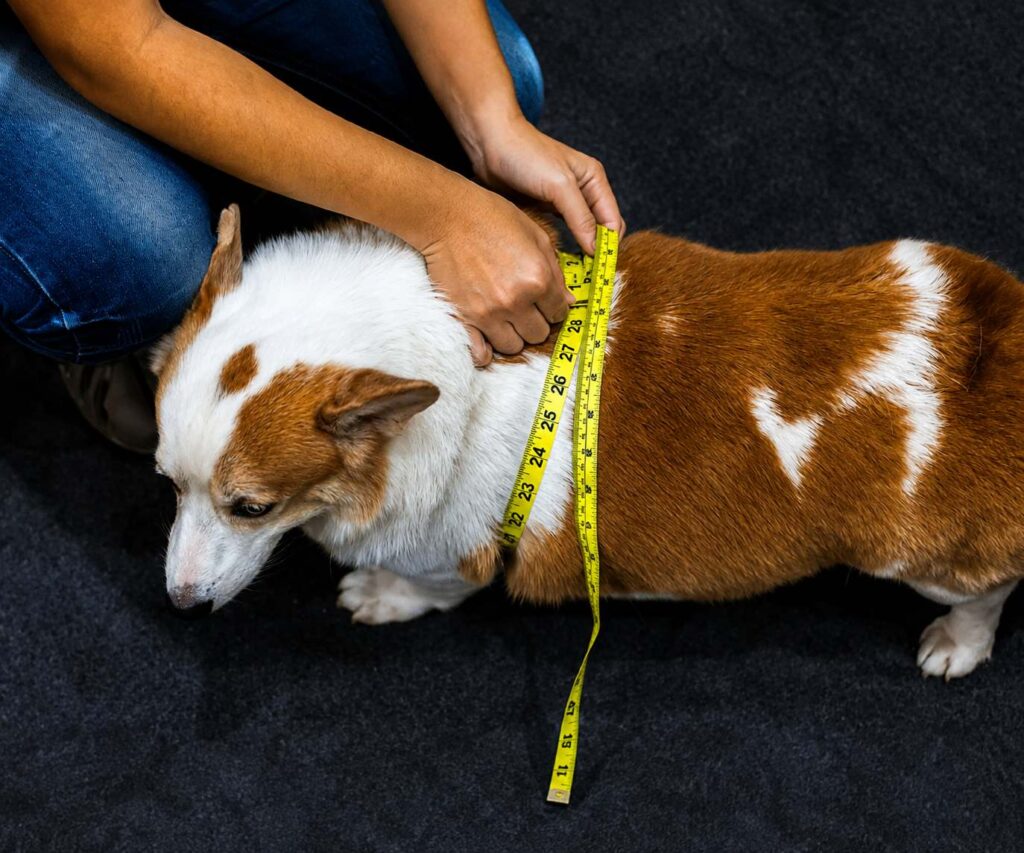
Extra weight tends to creep on so gradually that many owners do not notice until a pet seems slower on walks or hesitant to jump onto the couch the way it used to. A pet that gains weight slowly, a little at a time, can end up carrying a meaningful amount of excess weight before anyone realizes something has changed.
Knowing how to tell if your pet is overweight matters because the extra strain on joints, organs, and overall energy often builds quietly in the background, long before the number on a scale seems alarming. Weight that looks minor on paper can translate into real, daily discomfort for a dog or cat.
This guide explains what a healthy weight looks like for dogs and cats, how to tell if your pet is overweight using a simple hands-on check, why extra weight is especially hard on joints, and what weight management for dogs and cats typically involves.
Why Recognizing Excess Weight Matters
A pet wellness exam always includes a weight and body condition check, since weight is one of the clearest early indicators of a pet’s overall health trajectory.
Catching excess weight early gives the veterinary team the best opportunity to adjust diet and activity before the extra weight starts to affect joints, energy level, or metabolic health. Waiting until a pet visibly struggles to move often means the excess weight has already been present for a long time.
The team at Eagle Animal Hospital reviews body condition at every wellness visit for exactly this reason, since a small, early adjustment is usually far easier to make than reversing months of established weight gain.
What Is a Healthy Weight for Dogs and Cats
Ideal weight varies enormously by breed, frame size, and individual body type, which is why there is no single number that applies to every dog or cat.
Dogs
A healthy-weight dog should have a visible waist when viewed from above and an abdomen that tucks up behind the ribs when viewed from the side. Because breed sizes vary so widely, a veterinarian is best positioned to judge what a healthy weight looks like for a specific dog’s frame.
Cats
A healthy-weight cat should also show a visible waist and a slight abdominal tuck, without a hanging pouch of fat beneath the belly. Indoor cats in particular tend to gain weight gradually due to lower activity levels, which can make slow weight gain easy to miss.
How to Tell If Your Pet Is Overweight
A simple hands-on check at home, combined with a professional assessment, is the most reliable way to answer how to tell if your pet is overweight.
At home, an owner can run their hands along a pet’s sides. Ribs that are difficult to feel under a thick layer of tissue, a waist that is hard to identify from above, and a rounded rather than tucked abdomen are all signs of excess weight. This hands-on check is the basis of the pet body condition score veterinary teams use to formally classify weight.
| Body Condition | What It Looks and Feels Like |
| Underweight | Ribs, spine, and hip bones are easily visible with little fat cover |
| Ideal | Ribs are easily felt with a slight fat cover, and a waist is visible from above |
| Overweight | Ribs are difficult to feel, and the waist is poorly defined or absent |
| Obese | Ribs cannot be felt, and there is no visible waist or abdominal tuck |
Common Causes of Weight Gain in Pets
Weight gain in pets is rarely the result of a single cause, and it often reflects several small factors adding up over time.
Reduced activity, calorie-dense treats, free feeding rather than measured portions, and age-related slowing of metabolism are among the most common contributors. Spaying and neutering can also lower a pet’s calorie needs, which sometimes goes unaccounted for in feeding routines that were set before the procedure.
Multi-pet households add another layer of difficulty, since it can be hard to tell how much food one particular pet is actually eating when meals are shared or left out for grazing throughout the day. Separating feeding times, even briefly, often reveals a more accurate picture of a pet’s true intake.
Why a Professional Check Matters Alongside an At-Home Check
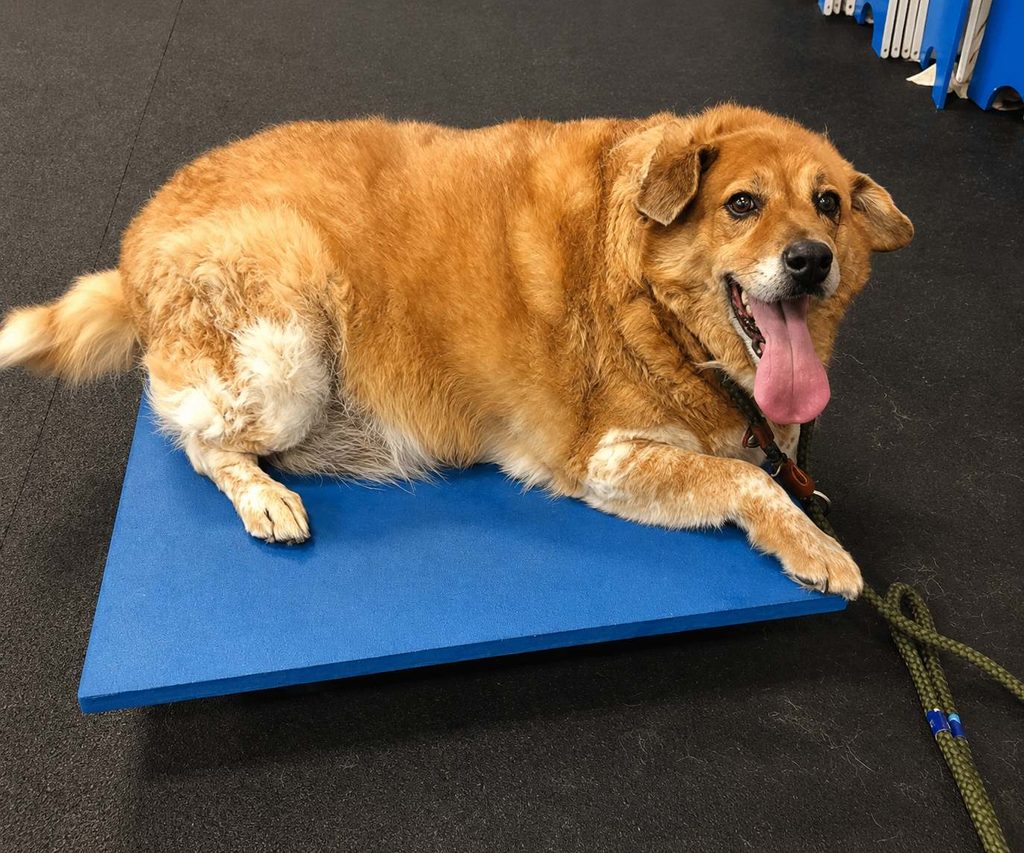
An at-home check is a useful starting point, but it does not replace a professional assessment for confirming how to tell if your pet is overweight with confidence.
A veterinarian can compare a pet’s current weight against its breed, age, and history, and can also rule out underlying medical conditions that sometimes contribute to weight gain. This combination of an owner’s day-to-day observations and a professional exam gives the most accurate and actionable picture of a pet’s condition, and it is the most reliable way to know how to tell if your pet is overweight rather than guessing.
Why Extra Weight Matters for Joints
Every additional pound a dog or cat carries adds direct mechanical stress to joints that were not built to support that extra load.
Over time, this added stress accelerates wear on cartilage and increases the likelihood of arthritis and joint pain, particularly in the hips, knees, and spine. For pets already managing joint discomfort, companion laser therapy is one option the veterinary team may recommend alongside weight management to help ease movement and support comfort.
Signs of Joint Pain in Overweight Pets
Because overweight pets place more load on their joints with every step, signs of joint pain in overweight pets often appear earlier than they would in a pet at a healthy weight.
Common signs include stiffness after resting, reluctance to jump or climb stairs, a noticeable limp, and slower movement overall. These signs can be subtle at first and are easy to mistake for a pet simply “slowing down with age,” even though excess weight is often a meaningful contributing factor.
Other Health Risks Linked to Excess Weight
Joint strain is one of the most visible consequences of excess weight, but it is far from the only one.
Carrying extra weight is also associated with metabolic changes, added strain on the heart and lungs, and a reduced ability to regulate body temperature. Routine bloodwork can help the veterinary team monitor for some of these metabolic changes as part of an overall weight management plan.
Because these risks develop gradually and often without obvious outward signs, they tend to be easy to overlook until a wellness visit brings them to light. Regular checkups give the veterinary team a chance to catch these changes early rather than after they have progressed further.
How Weight Management for Dogs and Cats Works
Effective weight management for dogs and cats starts with an accurate body condition assessment and a target weight set by the veterinary team, not a generic one-size-fits-all diet plan.
From there, the plan typically involves a measured feeding schedule, a gradual increase in activity appropriate to the pet’s current condition, and regular follow-up weigh-ins to track progress. Adjustments are made along the way based on how a pet responds, since slow, steady weight loss is safer than a rapid change for both dogs and cats.
How Weight Checks Fit Into Whole-Body Health
Tracking weight over time is one part of the broader picture covered during regular checkups. The importance of annual wellness exams for pets explains how weight, mobility, and other wellness measures are reviewed together to catch developing issues early.
Supporting a Pet’s Long-Term Comfort and Mobility
Understanding how to tell if your pet is overweight is the first step toward protecting joints, energy, and long-term comfort for the years ahead. A body condition check, paired with the veterinary team’s guidance, turns a vague concern into a clear, manageable plan.
Eagle Animal Hospital in Chester Springs is ready to help assess a pet’s body condition and build a weight management plan suited to their needs. Request an appointment online to schedule a wellness visit.
Frequently Asked Questions
Q: How to tell if your pet is overweight without a scale at home?
A: A simple hands-on check works well: feel along the ribs and look for a visible waist from above and an abdominal tuck from the side. If the ribs are hard to feel or the waist is not visible, a veterinary assessment can confirm whether weight loss is needed.
Q: What is a pet body condition score?
A: A pet body condition score is a standardized scale veterinary teams use to classify a pet as underweight, ideal, overweight, or obese based on how much fat covers the ribs and how visible the waist and abdominal tuck are.
Q: What are common signs of joint pain in overweight pets?
A: Common signs include stiffness after resting, reluctance to jump or use stairs, a noticeable limp, and general slowing down during activity. These signs can develop gradually and are easy to mistake for normal aging.
Q: How does weight management for dogs and cats typically start?
A: It typically starts with a body condition assessment and a target weight set by the veterinary team, followed by a measured feeding plan, gradual activity increases, and regular weigh-ins to track progress.
Q: Can excess weight cause health problems beyond joint pain?
A: Yes. Excess weight is also linked to metabolic changes and added strain on the heart and lungs, which is one reason weight is checked at every wellness visit rather than treated as a cosmetic concern.