
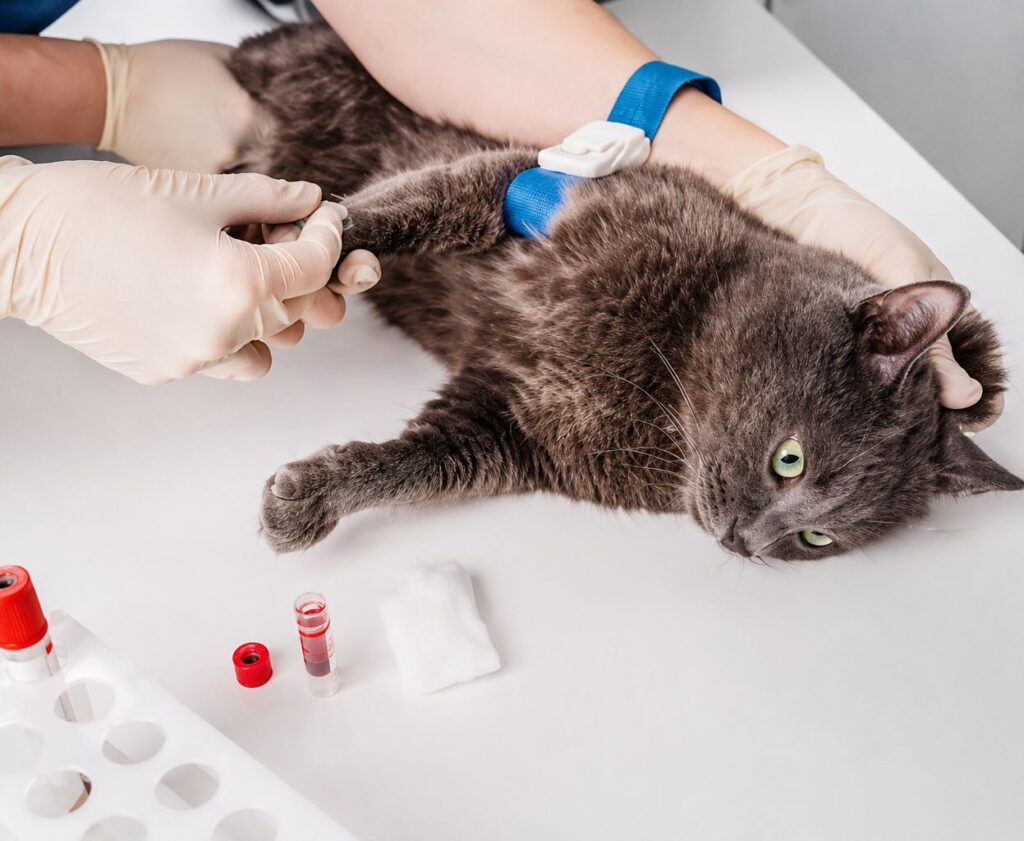
Some of the most serious health conditions in pets develop so gradually that neither the owner nor the pet gives any outward indication that something is wrong. Kidney disease can progress through a significant portion of its course before blood values move outside the normal range. Liver dysfunction may build quietly for months before a pet shows any behavioral change. Thyroid imbalances, early diabetes, and anemia can all be well underway while a pet continues eating, playing, and appearing completely normal to everyone in the household.
This is where pet bloodwork becomes one of the most genuinely valuable tools in preventive veterinary medicine. A routine blood panel captures internal data that no physical examination can produce on its own and gives the veterinarian a detailed picture of how the organs, immune system, and metabolic processes are actually functioning. Combined with regular wellness exams for pets that assess the external picture, bloodwork gives the veterinary team the most complete possible view of your pet’s health at each visit.
This guide explains what a pet blood test measures, what different panels are designed to detect, why regular testing matters across every life stage, and how the results connect to treatment decisions that are often far simpler when they are made early.
What Pet Bloodwork Is and Why It Works
Blood as a Health Indicator
Blood is one of the most information-rich substances in the body. As it circulates continuously through the kidneys, liver, pancreas, thyroid gland, bone marrow, and other tissues, it picks up chemical markers, cellular byproducts, enzymes, proteins, and hormones that reflect how well each system is performing. A small blood sample drawn at a routine visit gives the veterinarian a snapshot of that ongoing activity, often revealing changes that would otherwise remain invisible for months.
The Power of Testing Over Time
The full value of a pet blood test lies in comparison over time. A single panel provides useful information, but a series of panels taken at regular intervals builds a longitudinal record that makes subtle changes far easier to identify. A kidney value that sits in the lower portion of the normal range at age three but has drifted noticeably higher by age seven is more clinically significant than either number would suggest in isolation. That trend, visible only through consistent testing, may prompt dietary changes or closer monitoring that slows disease progression meaningfully. A full overview of the pet bloodwork services available at our practice includes the standard panels used and how results are applied in clinical decision-making.
The Two Core Panels in Routine Pet Bloodwork
Most routine blood testing in dogs and cats is built around two complementary panels that together assess both the cellular and chemical composition of the blood.
Complete Blood Count
The complete blood count, commonly abbreviated as a CBC, evaluates the cellular components of the blood. It quantifies and characterizes three major cell types: red blood cells, white blood cells, and platelets.
Red Blood Cells
Red blood cells carry oxygen from the lungs to the tissues throughout the body. When red blood cell values are low, a condition called anemia develops, which reduces the body’s oxygen-carrying capacity and often causes fatigue, weakness, and reduced exercise tolerance. Anemia has many causes including blood loss, bone marrow problems, immune-mediated destruction of red cells, and chronic disease. Elevated red blood cell values can indicate dehydration, since the cells become more concentrated when plasma volume drops.
White Blood Cells
White blood cells are the immune system’s primary responders. The CBC reports both the total white blood cell count and the differential, which is the breakdown of five different white blood cell types: neutrophils, lymphocytes, monocytes, eosinophils, and basophils. Each type responds differently to different categories of challenge. Elevated neutrophils typically indicate bacterial infection or inflammation. Elevated lymphocytes can suggest viral infection or, in some cases, lymphoma. Eosinophil counts rise in response to parasites and certain allergic conditions. By looking at the differential alongside the total count, the veterinarian gains a much more specific picture of what the immune system is responding to.
Platelets
Platelets are the smallest cellular component of the blood and play a critical role in clot formation. Low platelet counts, a condition called thrombocytopenia, can result in abnormal bleeding and may signal immune-mediated disease, tick-borne illness, or other serious conditions that require prompt investigation.
Chemistry Panel
The chemistry panel evaluates the liquid portion of the blood after the cells have been removed. It measures a range of enzymes, proteins, electrolytes, and metabolic markers that collectively reflect how well the major organ systems are functioning. The key areas assessed include kidney function through values that reflect how effectively the kidneys are filtering metabolic waste, liver function through enzyme levels that signal damage or stress to liver tissue, pancreatic health relevant to pancreatitis and glucose metabolism, blood glucose levels that screen for diabetes and hypoglycemia, and total protein levels and electrolytes that reflect hydration, nutrition, and metabolic balance. When these values are reviewed together, the panel gives the veterinarian a comprehensive view of how multiple organ systems are interacting and whether any early shifts warrant further investigation.
What a Pet Blood Test Can Detect Before Symptoms Appear
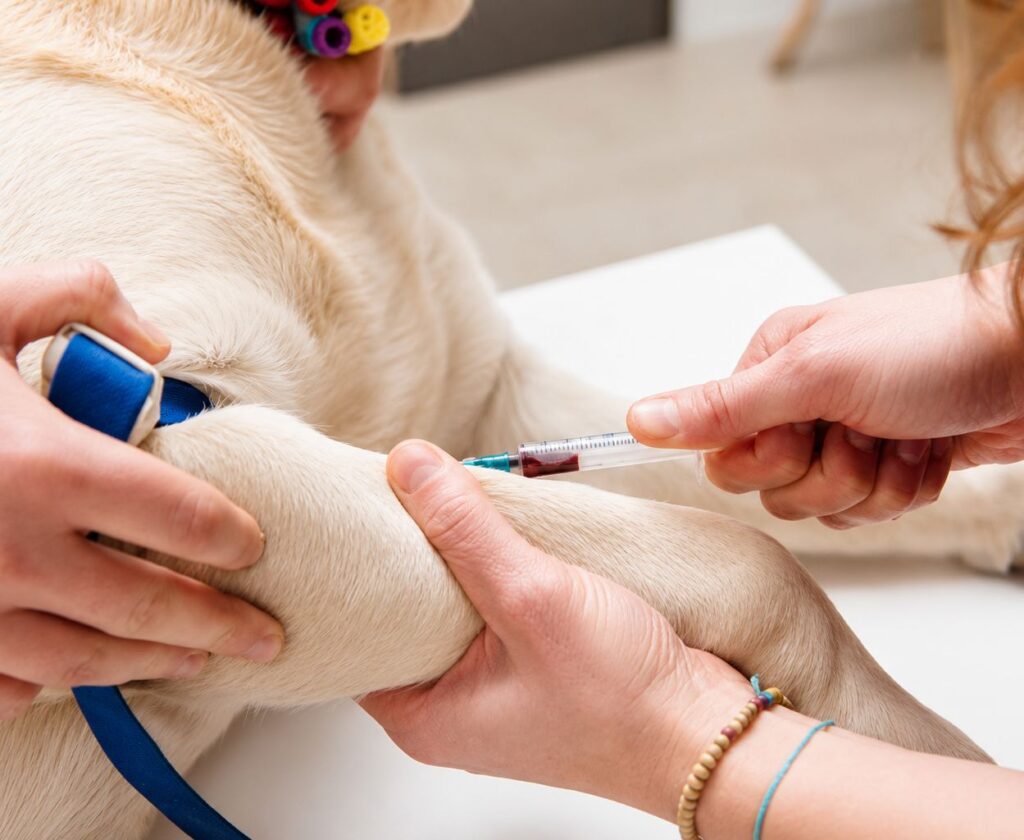
The conditions most reliably identified early through routine blood testing share a common characteristic: they develop over an extended period with minimal or no outward signs until significant damage has already occurred.
Kidney Disease
Kidney disease is the most frequently cited example of a condition that benefits dramatically from routine bloodwork. The kidneys have substantial reserve capacity, meaning they can continue to perform their filtering function adequately even when a significant portion of their tissue has been damaged. In cats, kidney disease may not produce detectable changes in traditional blood values until a significant proportion of kidney function has already been lost. By that point, the disease is advanced and management options, while still meaningful, are more limited than they would have been at an earlier stage. Catching early changes allows the veterinarian to initiate dietary modifications, increase monitoring frequency, and implement supportive care measures that can significantly slow disease progression.
Liver Disease
The liver is a remarkably resilient organ with a high regenerative capacity, but it still benefits significantly from early detection. Elevated liver enzymes on a chemistry panel indicate that liver cells are under stress or being damaged, often long before outward signs such as jaundice, fluid accumulation, loss of appetite, or behavioral changes appear. Identifying elevated enzyme values early allows the veterinarian to investigate the underlying cause and intervene before the liver’s regenerative capacity is overwhelmed.
Thyroid Disease
Hyperthyroidism, which is overactive thyroid function caused by a benign thyroid tumor in the vast majority of cases, is one of the most common conditions in senior cats. It causes weight loss despite a good or increased appetite, elevated heart rate, and hypertension, and over time it leads to secondary kidney and heart changes. Many cats initially show changes so gradual that owners attribute them to normal aging. A thyroid value included in a routine blood panel identifies hyperthyroidism at a stage where treatment is straightforward and highly effective, and before secondary organ effects have time to develop. In dogs, hypothyroidism follows a similar pattern of gradual onset, with weight gain, lethargy, and coat changes developing slowly over months before the diagnosis is confirmed through bloodwork.
Diabetes Mellitus
Diabetes produces elevated blood glucose, which appears clearly on a chemistry panel. While some pets do show signs such as increased thirst, increased urination, and weight loss before it is detected on bloodwork, many cases are identified during routine wellness testing before these signs have become noticeable to the owner. Early diagnosis allows dietary management and medication to begin before the metabolic consequences of chronic high blood sugar have affected other systems.
Anemia and Immune System Conditions
Anemia and white blood cell abnormalities identified on a CBC often represent the first detectable evidence of conditions ranging from internal bleeding to immune-mediated diseases and, in some cases, bone marrow disorders. Identifying these changes early allows the veterinarian to pursue a targeted diagnostic workup rather than having to work backward from a more advanced clinical presentation.
When Pet Bloodwork Should Be Performed
| Situation | Recommended Frequency | Purpose |
| Healthy adult dogs and cats | Annually, at the wellness exam | Establish and track a personal health baseline |
| Before surgery or anesthesia | One to eight weeks before the procedure | Confirm kidney, liver, and clotting function are safe for anesthesia |
| Senior pets | Every six months | Catch age-related conditions earlier in their progression |
| Pets on long-term medication | As advised by the veterinarian | Monitor organ values while treatment continues |
| Pets showing signs of illness | At the time of the diagnostic visit | Narrow the list of possible diagnoses quickly |
Annual Wellness Visits
Annual wellness visits are the most practical point at which to incorporate routine blood testing. Running a baseline panel at a healthy adult visit creates individual reference data that makes future comparisons meaningful. When that baseline exists, the veterinarian can identify a value that has drifted compared to the pet’s own personal normal, which is often more informative than comparing against population-wide reference ranges alone. For healthy adult dogs and cats with no known health concerns, an annual CBC and chemistry panel provides a thorough internal health snapshot and forms the backbone of effective pet preventive care.
Before Surgery or Anesthesia
Before any procedure requiring general anesthesia, bloodwork confirms that the kidneys and liver are functioning adequately to process and clear anesthetic agents safely. It also confirms that clotting function is normal and that no underlying condition exists that would require adjustments to the anesthetic protocol. Pre-anesthetic blood work is performed one to eight weeks before a scheduled veterinary surgery and is an important component of safe procedural planning for every patient, regardless of age or apparent health status.
Senior Pet Monitoring
As pets enter their senior years, the recommended frequency of bloodwork typically increases to every six months. Age-related conditions develop faster in older patients, and the window between when a change first appears on bloodwork and when it becomes clinically significant is shorter. More frequent testing gives the veterinarian more opportunities to identify and respond to shifts before they require more intensive intervention. The veterinarian will advise on the appropriate monitoring schedule during routine visits based on each pet’s age, breed, and health history.
Long-Term Medication Monitoring
Certain medications used to manage chronic conditions can affect kidney or liver function over time. Periodic bloodwork ensures that organ values remain within an acceptable range while treatment continues, and allows dose adjustments or medication changes to be made proactively rather than in response to a clinical decline.
When Something Seems Off
In addition to routine preventive use, a pet blood test is one of the first steps in investigating illness when a pet presents with non-specific signs such as lethargy, vomiting, weight loss, changes in thirst or urination, or reduced appetite. The CBC and chemistry panel together narrow the list of possible diagnoses rapidly and guide the selection of any additional testing needed to reach a definitive conclusion.
How to Prepare Your Pet for Blood Testing
Before the Appointment
Most routine chemistry panels are collected after a period of fasting, typically eight to twelve hours, to ensure that dietary fat and glucose from a recent meal do not artificially elevate certain values. Water is generally permitted up to the time of the appointment. Your veterinarian will confirm specific fasting instructions when scheduling the visit.
During the Visit
For pets that are anxious in clinical settings, informing the team in advance allows them to plan for a calmer, lower-stress collection process. Most pets tolerate a blood draw from a limb or neck vein with minimal restraint and no lasting discomfort. Mild sensitivity at the draw site resolves within a day at most. The procedure itself takes only a few minutes and, in a practice with in-house laboratory capabilities, results can often be reviewed and discussed with the owner during the same appointment.
Understanding Your Pet’s Results
How Results Are Presented
Bloodwork results are presented as a series of values, each compared against a species-specific reference range. A result that falls outside the reference range is flagged, but a single flag does not always indicate disease. Some values fluctuate naturally with stress, fasting status, or the time of day, and the veterinarian interprets each result in the context of the pet’s complete clinical picture, recent history, and any prior results on file.
Why Veterinary Interpretation Matters
This is why results are always reviewed and explained by the veterinarian rather than communicated as a simple pass or fail. Understanding what a mildly elevated kidney value means for a twelve-year-old cat versus a three-year-old dog requires clinical context that a reference range alone cannot provide. That conversation between the veterinarian and the owner is one of the most valuable parts of the bloodwork process and one of the clearest demonstrations of why routine testing supports better long-term care decisions.
How Bloodwork Connects to Pet Preventive Care
Complementary to the Physical Exam
A physical examination and a blood panel are not interchangeable. They are complementary tools that cover different aspects of health assessment. The physical exam reveals what is visible and palpable: weight, coat condition, lymph node size, heart and lung sounds, and joint mobility. Bloodwork reveals what is happening inside tissues and organs that no examination can access. Together, they form the most complete available picture of a pet’s health at any given point in time.
The Value of Consistency
A pet seen consistently each year and tested at each visit builds a cumulative health record that makes every future clinical decision more informed and more precise. Pet preventive care built around this combination of physical and laboratory assessment gives pets the best chance of living longer, more comfortable lives by catching problems during the window when they are most treatable. To learn more about what is included in routine wellness visits at our practice, visit our pet wellness page.
To learn more about the full range of diagnostic and preventive care services available, visit Eagle Animal Hospital in Chester Springs.
Frequently Asked Questions
Q: What does a routine pet blood test include?
A: A routine pet blood test typically includes a complete blood count, which evaluates red blood cells, white blood cells, and platelets, and a chemistry panel, which assesses organ function including kidney values, liver enzymes, blood glucose, and electrolytes. Together these panels give the veterinarian a comprehensive view of your pet’s internal health at the time of the visit.
Q: How often should my pet have bloodwork done?
A: Healthy adult dogs and cats benefit from blood panels at each annual wellness exam. Senior pets and those with chronic conditions or long-term medications are often tested every six months. Pre-anesthetic bloodwork is also standard before any procedure requiring general anesthesia regardless of the pet’s apparent health.
Q: Can bloodwork detect disease before my pet shows symptoms?
A: Yes. Conditions such as kidney disease, liver dysfunction, thyroid imbalances, and diabetes can all produce measurable changes in blood values well before visible symptoms appear. Routine testing establishes a baseline and allows the veterinarian to identify early shifts when treatment options are still most effective and the prognosis is most favorable.
Q: Is a pet blood test safe?
A: Yes. Drawing a small blood sample is a low-risk, minimally invasive procedure. Most pets tolerate it well with minimal restraint. Brief sensitivity at the draw site can occur but typically resolves within a day. The clinical information gained from routine testing consistently and substantially outweighs the minimal discomfort involved.
Q: Why does my healthy pet need bloodwork if nothing seems wrong?
A: Bloodwork at a healthy visit establishes what normal looks like for that individual pet. When future panels are compared against that personal baseline, small but meaningful changes become detectable much earlier than they would without prior records. This is the foundation of effective pet preventive care and catches problems during the window when treatment is simplest and most effective.