
Watching a beloved dog or cat slow down with age is difficult for any pet owner, and it is natural to wonder whether the yearly checkup that worked fine for years is still enough now that a pet is getting older. Many age-related conditions develop gradually and quietly, which means the visit schedule that suited a younger, healthier pet may no longer catch problems early enough to make a real difference.
A senior pet’s body changes faster than most owners realize, and small shifts in weight, mobility, or behavior can signal a condition that is far easier to manage when it is caught early. Understanding how often should senior pets see the vet gives owners a clear, practical answer instead of a vague sense that “more visits are probably better.”
This guide explains when a pet is considered a senior, how often should senior pets see the vet compared to younger adults, what happens during a senior wellness visit, and the specific conditions these more frequent checkups are designed to catch.
Why Senior Pets Need More Frequent Veterinary Care
A pet’s health can shift noticeably in just a few months once age-related decline sets in, which is part of why the standard yearly visit schedule is not built for senior pets.
Regular pet wellness exams are designed to catch problems before they become obvious, and that window matters even more for a senior pet whose organ function, joints, and metabolism are naturally becoming less resilient. A condition that might take a year to become noticeable in a younger, healthier animal can progress in a matter of months in an older one.
This is a central reason many veterinary teams recommend twice yearly vet visits for senior pets rather than waiting a full year between checkups, since early intervention often means a simpler, more effective treatment path. The team at Eagle Animal Hospital builds each senior wellness plan around this shorter interval so smaller issues do not have as much time to develop into larger ones.
When Is a Pet Considered a Senior
The senior life stage does not begin on the same birthday for every pet, and knowing when it starts helps determine when a more frequent visit schedule should begin.
Dogs
Most dogs are considered senior around seven years of age, though larger breeds tend to enter this stage earlier, sometimes as young as five or six, because larger dogs generally age faster than smaller ones. A veterinarian can help determine the appropriate senior timeline for a specific breed and size rather than relying on a single number that applies to every dog.
Cats
Cats are typically considered senior starting around ten to twelve years of age, with many living well into their late teens when their health is closely monitored. Because cats are especially skilled at masking discomfort, the transition into the senior years is often the point when subtle signs become easiest to overlook without a closer look from the veterinary team.
How Often Should Senior Pets See the Vet
For most senior dogs and cats, the veterinary team generally recommends wellness visits twice a year rather than the single annual visit that suits younger, healthy adults.
This twice-yearly schedule follows AVMA-recommended protocols for senior pet care, since a six-month gap between visits allows the veterinary team to track subtle changes over time and intervene sooner if something needs attention. A pet managing an existing chronic condition, such as kidney disease or arthritis, may need an even more frequent schedule that the veterinary team can tailor to the individual pet.
What Happens During a Senior Wellness Visit
A senior wellness visit covers more ground than a routine checkup for a younger pet, since there is more to monitor as a pet ages. Knowing how often should senior pets see the vet is only half the picture; understanding what actually happens at each visit is what makes the schedule worthwhile.
Physical Exam and Body Condition
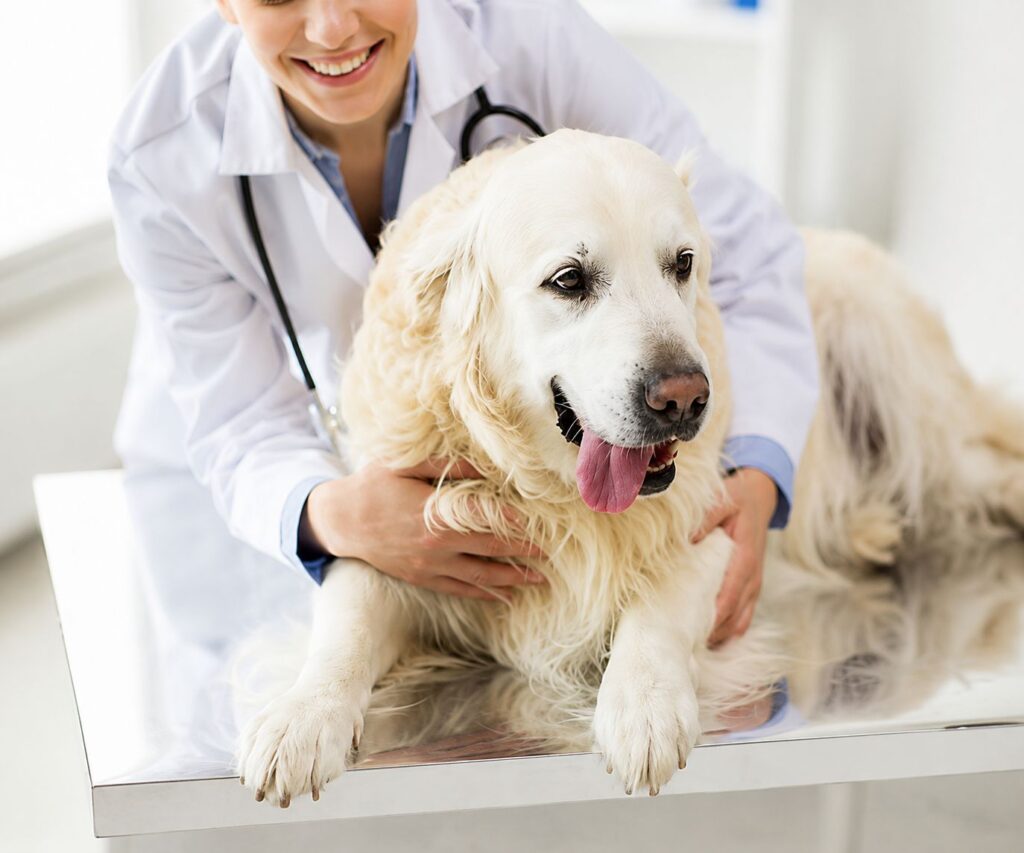
The veterinary team performs a thorough physical exam, checking body condition, joint mobility, muscle tone, and any new lumps or changes in the coat or skin that may have developed since the last visit. This hands-on assessment often reveals early signs that a pet owner would not notice during everyday interactions at home.
Bloodwork and Diagnostics
Bloodwork plays an important role in senior wellness visits, since it can reveal changes in organ function well before a pet shows any outward symptoms. What pet bloodwork can reveal explains more about the specific conditions these panels are designed to catch early.
Discussing Mobility and Behavior Changes
The veterinary team also relies heavily on what an owner has noticed at home, including changes in appetite, sleep patterns, mobility, or general behavior. Sharing these observations, even small ones, gives the veterinary team a fuller picture than the exam alone can provide.
Preparing for a Senior Pet Wellness Exam

A little preparation helps a senior pet wellness exam go smoothly and makes the visit more productive for both the pet and the veterinary team.
Before the appointment, it helps to write down any changes noticed at home over the past several months, including shifts in appetite, water intake, energy level, or bathroom habits. Bringing a current list of medications and supplements, along with notes on how well a pet has tolerated them, gives the veterinary team a clearer picture to work from.
Owners who understand how often should senior pets see the vet and arrive prepared for each senior pet wellness exam tend to get more value out of every visit, since the veterinary team can spend more time interpreting findings and less time gathering basic history.
Common Age-Related Conditions Senior Visits Help Catch Early
Twice-yearly visits are specifically designed to catch the conditions that become more common as pets age, several of which develop with few obvious symptoms until they are more advanced. This is a large part of why how often should senior pets see the vet matters so much for long-term outcomes, not just comfort in the moment.
Arthritis and Joint Pain
Joint pain and reduced mobility are extremely common in senior pets, and catching them early allows the veterinary team to recommend management options, including companion laser therapy, before discomfort significantly limits a pet’s daily activity.
Dental Disease
Dental disease tends to worsen with age and can affect far more than just a pet’s mouth. Signs of dental disease in pets covers how this condition develops and why it often goes unnoticed until a wellness visit brings it to light.
Kidney and Organ Function Changes
Kidney disease and other organ function changes are among the most common conditions found through senior bloodwork, since these conditions typically develop with no visible symptoms until a significant portion of function has already been affected.
Weight and Metabolic Changes
Both weight gain and unexplained weight loss can signal a developing condition in a senior pet, and tracking these changes closely across regular visits often reveals a pattern that a single yearly weigh-in would miss entirely.
Signs Between Visits That Warrant an Earlier Appointment
Even with a twice-yearly schedule in place, learning to recognize signs of aging in dogs and cats between visits helps an owner know when certain changes should prompt a call to the veterinary team rather than waiting for the next scheduled visit.
- A noticeable change in appetite, thirst, or weight over a short period.
- New difficulty rising, climbing stairs, or jumping onto furniture.
- Increased confusion, disorientation, or changes in sleep patterns.
- Vomiting, diarrhea, or a change in bathroom habits that lasts more than a day.
- Any new lump, wound, or area of visible discomfort.
How Senior Wellness Visits Support Whole-Body Health
Every element of a senior wellness visit connects back to the same goal: keeping small, treatable issues from becoming larger ones. The importance of annual wellness exams for pets covers the foundation this more frequent senior schedule builds on, extending the same preventive approach to a life stage where it matters most.
| Life Stage | Recommended Visits | Visit Focus |
| Healthy adult (dog or cat) | Once a year | General wellness, vaccinations, weight check |
| Senior dog or cat | Twice a year | Bloodwork, mobility, dental health, weight trends |
| Senior pet with a chronic condition | As recommended by the veterinary team | Ongoing monitoring specific to the condition |
Building a Long-Term Plan for a Senior Pet’s Health
Understanding how often should senior pets see the vet turns a vague sense of concern into a clear, actionable plan for a pet’s later years. Every senior pet ages differently, and a consistent schedule of twice yearly vet visits for senior pets gives the veterinary team the best chance to notice changes early and adjust care before a small issue becomes a serious one.
Eagle Animal Hospital in Chester Springs is ready to help build a wellness plan suited to a pet’s individual needs. Request an appointment online to schedule a senior wellness visit.
Frequently Asked Questions
Q: How often should senior pets see the vet compared to younger adult pets?
A: Most senior dogs and cats benefit from wellness visits twice a year, compared to once a year for healthy younger adults, since this schedule allows the veterinary team to catch age-related changes sooner.
Q: At what age is a pet considered a senior?
A: Dogs are generally considered senior starting around seven years of age, with larger breeds reaching this stage earlier. Cats are typically considered senior starting around ten to twelve years of age.
Q: What is included in a senior pet wellness exam?
A: A senior wellness exam typically includes a thorough physical exam, bloodwork to check organ function, a discussion of any behavior or mobility changes noticed at home, and a review of weight and body condition.
Q: What are early signs of aging in dogs and cats that owners should watch for?
A: Common early signs include reduced activity, stiffness when rising, changes in appetite or thirst, dental issues, and gradual weight changes. Sharing these observations with the veterinary team helps guide the visit.
Q: Does a senior pet with a chronic condition need to see the vet more than twice a year?
A: In many cases, yes. A pet managing an ongoing condition such as kidney disease or arthritis may need a more frequent schedule, which the veterinary team can tailor to the pet’s specific needs.