
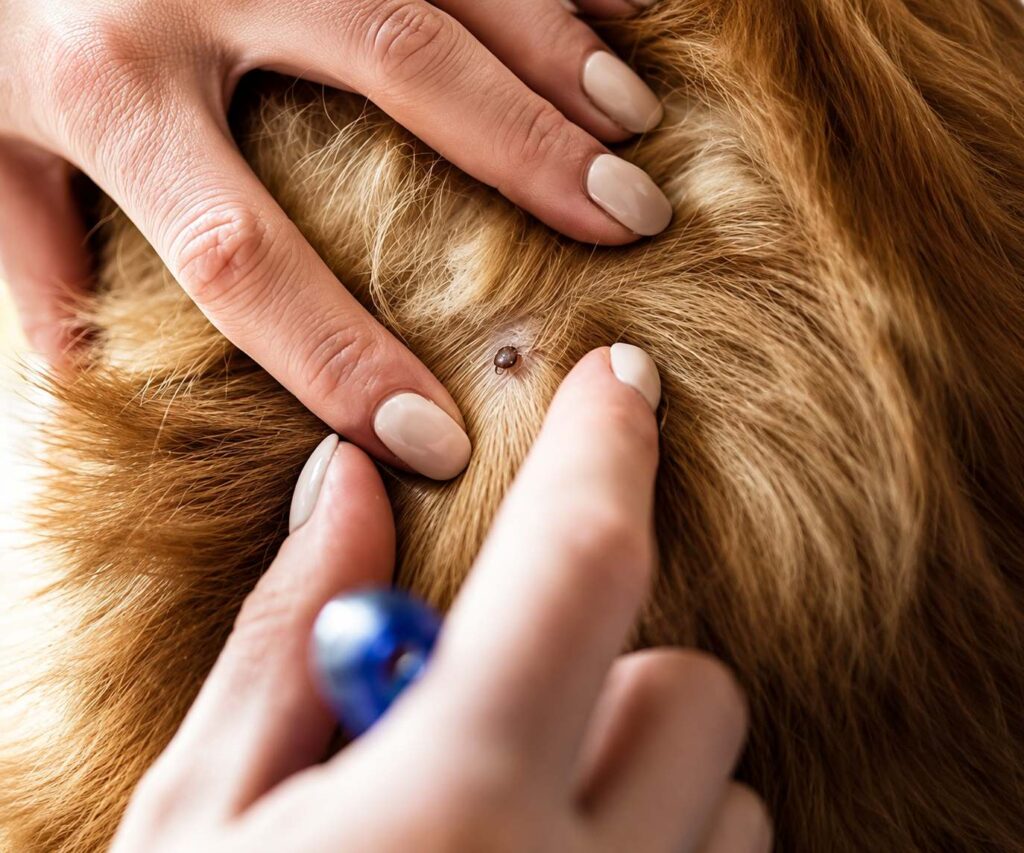
A walk through tall grass or wooded trails is one of the simplest pleasures of owning a dog, but it is also exactly the kind of outing that gives ticks an easy opportunity to hitch a ride home. Most owners know ticks exist, yet few make a habit of actually checking for them after every outdoor adventure.
Chester County sits squarely in tick-endemic territory, which means learning how to check your dog for ticks is not an occasional precaution but a routine that matters every time a dog spends time outside. A tick that goes unnoticed for even a day or two has enough time to transmit a serious illness.
This guide explains where ticks tend to hide on a dog’s body, how to check your dog for ticks step by step, how to safely remove a tick from a dog, and the signs of tick-borne illness in dogs that warrant a call to the veterinary team.
Why Checking Your Dog for Ticks Matters
Ticks are most likely to transmit disease once they have been attached for an extended period, which means a prompt check after time outdoors can make a real difference.
The dog Lyme vaccine schedule covers one important layer of protection against tick-borne illness, but vaccination works best alongside a consistent habit of physically checking a dog for ticks, since no vaccine covers every tick-borne disease.
Ticks are also easiest to spot on a dog who is already comfortable being handled, which is one more reason routine handling matters both at home and during checkups. A pet wellness exam gives the veterinary team a chance to do a more thorough coat and skin check that complements what an owner can catch after a walk at home.
Where Ticks Hide on a Dog’s Body
Ticks favor warm, hidden areas of a dog’s body where fur is thinner or skin folds create natural cover.
| Area to Check | Why It Is a Common Hiding Spot |
| Ears and around the ear flaps | Thin skin and reduced grooming reach |
| Between the toes and paw pads | Frequent ground contact during walks |
| Armpits and groin | Warm, sheltered skin folds |
| Around the collar and neck | High contact area during outdoor activity |
| Base of the tail | Thick fur that is easy to overlook |
How to Check Your Dog for Ticks
Knowing how to check your dog for ticks comes down to a slow, methodical hands-on search rather than a quick glance at the coat.
When to Check
A tick check should become a routine step after every walk in grass, brush, or wooded areas, not just an occasional habit during peak tick season. Chester County’s ticks remain active across a much longer stretch of the year than many owners expect.
How to Do the Check
Running both hands slowly over a dog’s entire body, feeling for any small bump under the fur, is more reliable than checking by sight alone. Parting the fur at each of the common hiding spots and checking closely helps catch a tick before it has been attached for long. A fine-toothed comb can help work through thicker coats where a tick might otherwise go unnoticed.
Checking Long-Haired and Short-Haired Dogs
The basic technique for how to check your dog for ticks stays the same across coat types, but a few adjustments make the process more effective.
Long-Haired Dogs
A thick or long coat can hide a tick easily, so parting the fur in small sections and working methodically across the body helps ensure nothing is missed. A comb is especially useful here, since fingers alone can slide past a small tick buried in dense fur.
Short-Haired Dogs
Short coats make ticks easier to spot visually, but they can still hide well in skin folds, between toes, and around the ears. A quick visual scan combined with a hands-on check still covers the most ground.
How to Safely Remove a Tick From a Dog
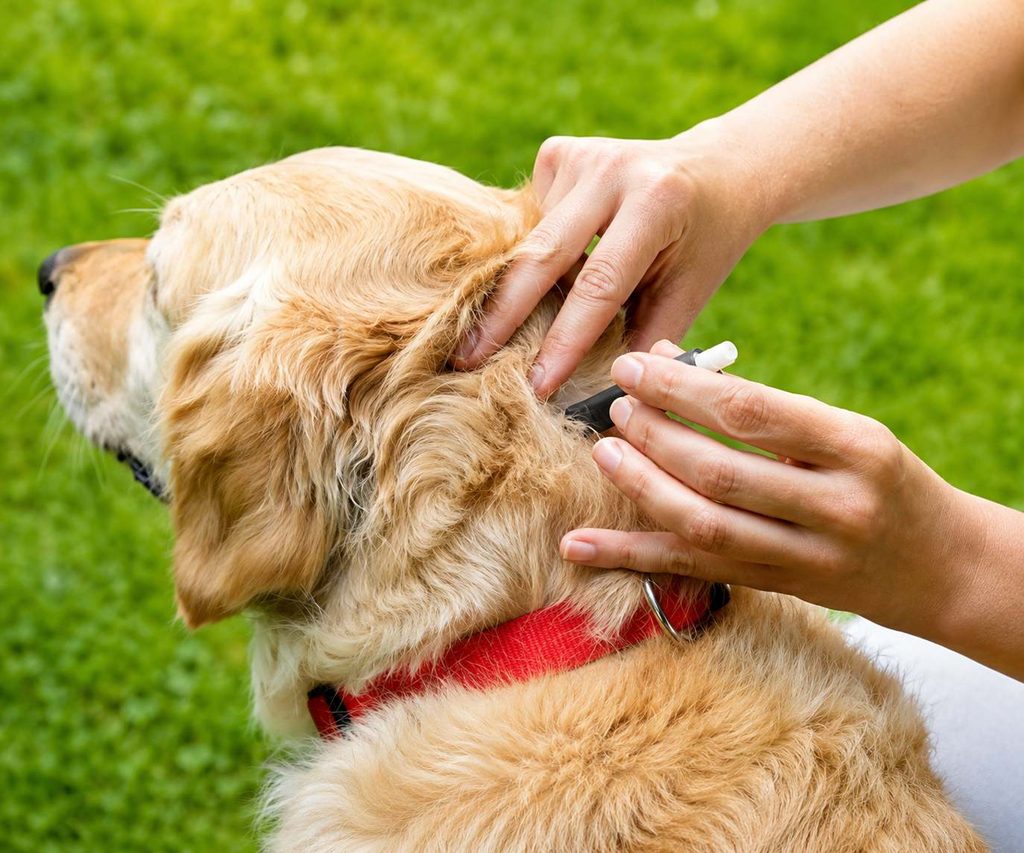
Finding an attached tick calls for a careful, deliberate removal rather than pulling it off quickly.
Using fine-tipped tweezers, grasp the tick as close to the dog’s skin as possible and pull straight upward with steady, even pressure, avoiding any twisting or crushing motion. After removal, clean the area with mild soap and water and keep an eye on it for the next several days. If part of the tick remains embedded, the area becomes increasingly irritated, or removal proves difficult, contacting the veterinary team is the safer next step rather than continuing to work at it at home.
What to Do If You Find an Embedded Tick
Sometimes a tick has already been attached long enough that removal is not as simple as a quick, clean pull, and knowing how to safely remove a tick from a dog also means knowing when to stop and get help.
If the head or mouthparts remain under the skin after removal, resist the urge to dig for the remaining piece, since this can cause more irritation than leaving it for the body to work out naturally in most cases. Saving the removed tick in a sealed container can also help the veterinary team identify the species if any symptoms develop in the days that follow. A dog that seems unusually uncomfortable at the bite site, or develops swelling or discharge, should be seen by the veterinary team promptly.
Signs of Tick-Borne Illness in Dogs
Even with careful checks, it is worth knowing the signs of tick-borne illness in dogs in case a tick goes unnoticed or was attached before it could be found.
Common signs include lethargy, reduced appetite, fever, swollen lymph nodes, and joint pain or limping that can shift from one leg to another. These signs sometimes appear weeks after a tick bite, which can make the connection to a specific outdoor outing easy to miss. Any of these changes should prompt a conversation with the veterinary team, especially after time spent in tick-heavy areas.
Lyme disease is the most well-known tick-borne illness in this region, but ticks in Chester County can carry other illnesses as well, each with a somewhat different set of symptoms. The veterinary team can run diagnostic testing to identify which illness, if any, is responsible for a dog’s symptoms and recommend an appropriate course of care.
Tick Prevention for Dogs
A thorough physical check is an important habit, but tick prevention for dogs works best as a year-round layer of protection rather than a replacement for checking.
Monthly preventive products are designed to kill ticks quickly after they attach, often before disease transmission can occur, which adds meaningful protection beyond what a manual check alone can catch. The veterinary team can help select a prevention product suited to a dog’s lifestyle and typical outdoor activity.
Pairing a reliable prevention product with a regular habit built around how to check your dog for ticks gives two layers of protection instead of relying on either approach alone.
Why Chester County Is High-Risk Tick Territory
Chester County’s mix of wooded trails, tall grasses, and wildlife creates ideal conditions for ticks throughout much of the year, not just during a short summer window.
Deer, rodents, and other wildlife common to the area serve as hosts that keep the local tick population active and widespread. This local reality is part of why a consistent tick-check routine matters as much here as any single seasonal precaution.
How Tick Prevention Connects to Whole-Body Health
Protecting a dog from ticks is one part of the broader preventive care that keeps a dog healthy overall. The importance of annual wellness exams for pets covers how regular checkups, vaccinations, and prevention work together to catch and prevent problems before they become serious.
Building a Tick-Safe Routine for Your Dog
Understanding how to check your dog for ticks, paired with safe removal steps and consistent prevention, gives a dog meaningful protection against tick-borne illness throughout the year. A simple after-walk habit, built consistently over time, does far more than an occasional check ever could.
Eagle Animal Hospital in Chester Springs is ready to help build a tick prevention plan suited to a dog’s lifestyle. Request an appointment online to discuss tick prevention options.
Frequently Asked Questions
Q: How to check your dog for ticks after a walk in the woods?
A: Run both hands slowly over the entire body, paying close attention to the ears, between the toes, armpits, groin, and the base of the tail, feeling for any small bump under the fur. A fine-toothed comb can help catch anything missed by hand.
Q: How to safely remove a tick from a dog at home?
A: Use fine-tipped tweezers to grasp the tick close to the skin and pull straight upward with steady pressure, avoiding any twisting. Clean the area afterward and contact the veterinary team if part of the tick remains embedded or the area becomes irritated.
Q: What are the signs of tick-borne illness in dogs?
A: Common signs include lethargy, reduced appetite, fever, swollen lymph nodes, and joint pain or shifting-leg limping. These signs can appear weeks after a tick bite, so any of these changes should prompt a call to the veterinary team.
Q: Is tick prevention for dogs necessary if I already check my dog regularly?
A: Yes. Checking helps catch ticks that have already attached, while prevention products work to kill ticks quickly, often before disease can be transmitted, so the two approaches work best together.
Q: Why is Chester County considered high-risk for ticks?
A: The area’s wooded trails, tall grasses, and resident wildlife create ideal conditions for ticks to thrive across much of the year, making consistent checks and prevention especially important here.