
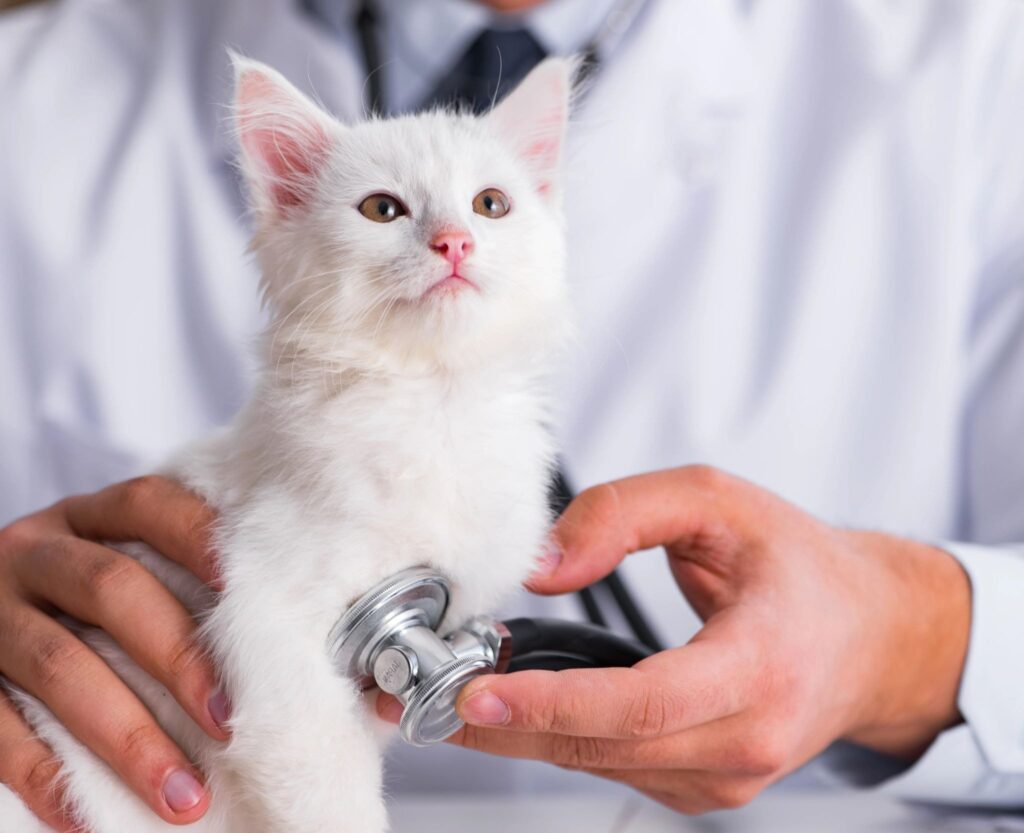
Bringing home a kitten is one of the most exciting moments for any pet owner. Between the playful energy, the curious eyes, and the constant purring, it is easy to focus on the fun and overlook one of the most important early steps. A new kitten vet visit within the first few weeks of adoption sets the medical foundation for the rest of your cat’s life. This early appointment is where preventive care, parasite control, and long-term wellness planning all begin.
Whether you adopted your kitten from a shelter, a rescue, or a breeder, an initial veterinary exam protects both your kitten and the other pets in your home. Cats are skilled at hiding illness, and many common kitten conditions show no obvious signs at first. A thorough exam in the first one to two weeks helps catch problems early, when treatment is simpler and more effective.
This guide walks through what happens at the kitten’s first vet visit, what to bring, what your veterinarian will check for, and how the kitten vaccine schedule unfolds over the following months.
Why the First Vet Visit Matters So Much
A kitten’s first few months are a period of rapid growth and high vulnerability. Their immune system is still developing, and the antibodies they received from their mother begin to fade between six and sixteen weeks of age. During this window, kittens are most susceptible to infectious diseases such as feline panleukopenia, calicivirus, and feline herpesvirus.
A veterinary exam at this stage gives the doctor a chance to:
- Confirm that your kitten is the expected weight and developmental stage for its age
- Detect congenital issues such as heart murmurs, cleft palate, or hernias
- Identify intestinal parasites, ear mites, or fleas before they spread to other pets in your home
- Begin or continue the appropriate kitten vaccine schedule
- Discuss nutrition, litter training, socialization, and behavior
Early veterinary care also establishes the relationship between you, your kitten, and your veterinary team. Cats benefit from being known by their veterinarian over time, since subtle changes in weight, coat, or behavior are often the earliest indicators of health concerns.
When to Schedule the New Kitten Vet Visit
The general guideline is to bring your kitten in for an exam within the first seven to fourteen days of adoption, regardless of whether the kitten has had any prior veterinary care. If the kitten is younger than eight weeks at adoption, schedule the visit as soon as you reasonably can after they are settled.
If your kitten arrived with paperwork from a shelter or breeder, bring it. This may include:
- Date of birth or estimated age
- Any vaccines already given, including the date and product name
- Any deworming treatments administered
- Records of FeLV (feline leukemia virus) testing
- Microchip number, if applicable
Even if some vaccines have already been given, your veterinarian will continue the kitten vaccine schedule from where the previous provider left off.
What Happens During the Kitten First Vet Visit

The kitten first vet visit is a structured but unhurried appointment, designed to gather information and build a complete health picture. Most appointments run between thirty and forty-five minutes for a new kitten.
A Complete Physical Examination
Your veterinarian will examine your kitten from nose to tail. This includes weighing the kitten, listening to the heart and lungs, palpating the abdomen, examining the eyes, ears, mouth, and skin, and checking the joints and gait. The exam is the same kind of thorough head-to-tail review used in any pet wellness exam, adapted for a kitten’s smaller size and developmental stage.
Parasite Screening and Prevention
Internal and external parasites are extremely common in young kittens. Your veterinarian will likely recommend:
- A fecal test to check for roundworms, hookworms, coccidia, and giardia
- A visual inspection for fleas and ear mites
- A fecal test at 8, 12, and 16 weeks of age, followed by annual fecal testing at each wellness exam, to check for roundworms, hookworms, coccidia, and giardia
- A discussion of year-round flea, tick, and heartworm prevention
Many of these parasites can spread to humans, particularly children, so early treatment matters for the whole household.
Viral Testing
A combination test for feline leukemia virus (FeLV) and feline immunodeficiency virus (FIV) is recommended for every new kitten. Both are serious viral infections that affect the immune system, and both can be present without obvious symptoms. Knowing your kitten’s status guides vaccination decisions and protects any other cats in the home.
Nutritional and Behavioral Counseling
Your veterinarian will discuss appropriate kitten food, feeding amounts, litter box setup, scratching post placement, safe play, and socialization. This is also the right moment to ask about future spay or neuter timing, microchipping, and the appropriate first cat wellness exam schedule for the year ahead.
The Kitten Vaccine Schedule, Explained
Vaccines protect kittens from diseases that are common, contagious, and often life-threatening. The kitten vaccine schedule is given in a series rather than a single dose because a kitten’s immune response strengthens with each booster, and maternal antibodies can interfere with early vaccines.
A typical schedule looks like this:
| Age | Vaccine | Notes |
| 8 weeks of age | FVRCP (feline viral rhinotracheitis, calicivirus, panleukopenia) | First in series |
| 12 weeks of age | FVRCP booster, FeLV, Rabies | Rabies required by Pennsylvania state law |
| 16 weeks of age | FVRCP booster, FeLV booster | Completes the kitten series |
| 1 year and beyond | FVRCP and Rabies every 3 years, FeLV yearly | Adult schedule begins |
The exact timing may vary slightly depending on your kitten’s age at the first visit, lifestyle, and any vaccines already received. Your veterinarian will personalize the plan. For more detail on the vaccines themselves, see our pet vaccinations page.
How to Prepare for the Visit
A calm, well-prepared kitten makes the appointment easier for everyone. A few simple steps help:
- Use a hard-sided carrier lined with a soft towel. Avoid cardboard carriers for the trip.
- Skip the meal right before the visit, especially if your kitten is prone to motion sickness, but bring a few treats.
- Bring all paperwork from the shelter, breeder, or previous veterinarian.
- Collect a fresh stool sample within the last twelve to twenty-four hours, if possible.
- Write down your questions ahead of time. New owners often forget what they wanted to ask once the appointment begins.
If your kitten is nervous in the carrier, covering it with a light towel during the car ride can reduce stress.
What to Expect After the Appointment
Most kittens bounce back from a vet visit within hours. Some may be slightly tired the next day, especially after vaccines. Mild soreness at the injection site is normal. Contact your veterinarian if you notice persistent vomiting, diarrhea, lethargy lasting more than twenty-four hours, facial swelling, or difficulty breathing, as these can signal a vaccine reaction that needs attention.
You will leave the appointment with a written record of the exam, vaccines given, parasite prevention recommendations, and the date of the next visit. Keep this record in a safe place. It will be useful for boarding, grooming, and any future veterinary care.
Building a Lifetime of Wellness Care
The kitten’s first vet visit is only the beginning. Cats benefit from regular wellness exams throughout their lives, with more frequent visits recommended as cats age. Routine wellness visits catch dental disease, kidney issues, thyroid changes, and weight problems long before they become emergencies. Additional preparation tips, including feeding, grooming, parasite prevention, and environmental enrichment, are covered on our new kitten resources page.
A consistent relationship with one veterinary team also makes future care smoother. The team learns your cat’s normal behavior, baseline weight, and personality, which makes it easier to spot when something is off. Starting strong with a thorough new kitten vet visit gives your cat the best possible foundation, and the preventive care you put in place now will prevent far bigger problems later. To schedule your kitten’s first appointment with our team at Eagle Animal Hospital in Chester Springs, request an appointment online or call our office directly.
FAQs on Kitten Wellness Exam
Q: How soon should I bring my new kitten to the vet?
A: Bring your kitten in within seven to fourteen days of adoption, even if the shelter or breeder provided initial care. Early exams catch parasites, congenital issues, and infections before they spread. If your kitten seems unwell at any point, schedule the visit sooner.
Q: How much does a first kitten vet visit usually cost?
A: Costs vary based on what is included, but a typical first visit covers the exam, fecal testing, FeLV/FIV testing, deworming, and the first vaccines. Your veterinary team can provide an estimate ahead of the appointment so you know what to expect at checkout.
Q: What vaccines does my kitten really need?
A: Core vaccines include FVRCP, which protects against three major viral diseases, and rabies, which is required by Pennsylvania law. The FeLV vaccine is recommended for most kittens, especially those who may go outdoors or live with other cats. Your veterinarian will tailor the kitten vaccine schedule to your cat’s lifestyle.
Q: Should I get my kitten tested for FeLV and FIV even if it looks healthy?
A: Yes. FeLV and FIV often show no symptoms in early infection, but both can affect long-term health and spread to other cats. A simple in-clinic blood test gives results within minutes and helps guide vaccination, lifestyle, and household decisions for any other cats you own.
Q: When should my kitten be spayed or neutered?
A: Females are typically spayed around six months of age, ideally before the first heat cycle. Males are usually neutered around twelve months. Pre-anesthetic blood work is performed before surgery to confirm your kitten is healthy enough for the procedure.