
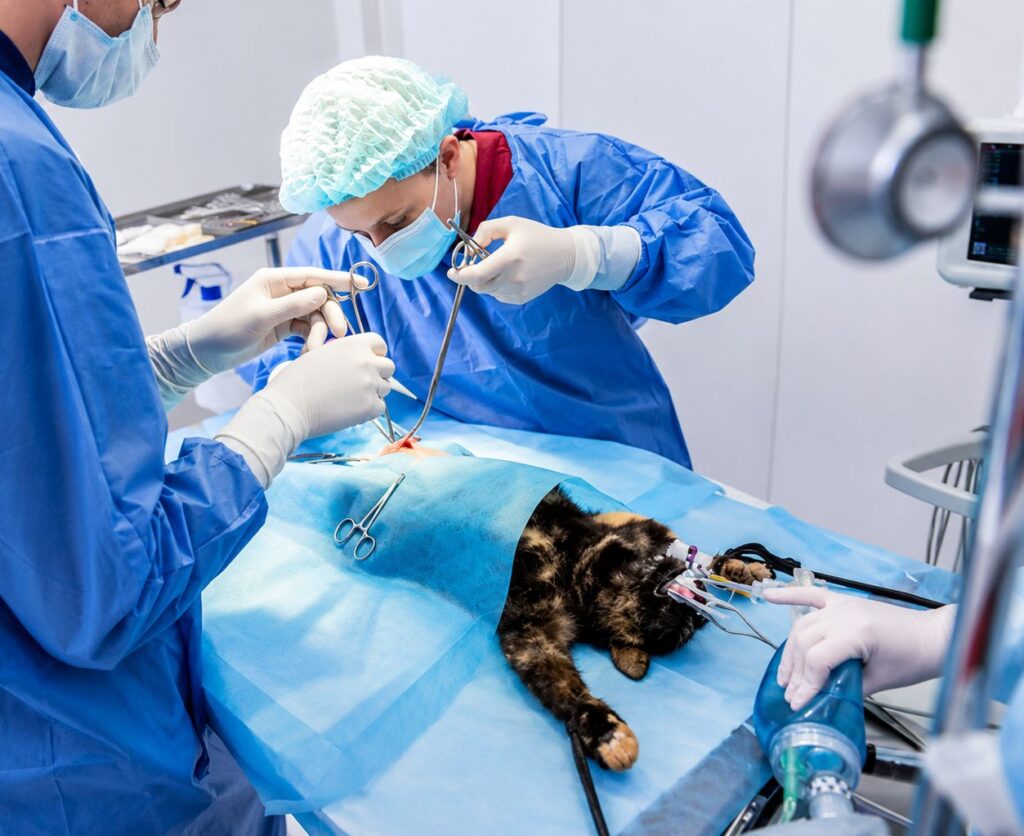
Learning that a pet needs surgery is one of the more stressful experiences a pet owner can face. Questions about safety, anesthesia, what will happen during the procedure, and how to support recovery at home can pile up quickly, and the uncertainty of not knowing what to expect makes an already difficult situation harder. Understanding the surgical process from the initial recommendation through to full recovery helps owners feel prepared and able to play an active role in their pet’s care.
Surgery for pets covers a wide range of procedures, from routine spays and neuters that the vast majority of pets undergo without complication, to more complex soft tissue operations that address internal disease or injury. What all of these procedures share is a structured approach built around individualized pre-operative preparation, careful anesthesia management, and attentive recovery support. A full overview of the pet surgery services available at our practice outlines the specific procedures performed and the care plan that accompanies each one.
This guide walks through every stage of the surgical process, explains the most common pet surgeries and what they address, covers what owners need to do before and after the procedure, and outlines the signs to monitor during recovery.
Why Surgery Is Recommended for Pets
Surgery is recommended when a medical condition cannot be adequately addressed through medication, dietary management, or other non-invasive means. The recommendation reflects a clinical judgment that the procedure will either resolve the problem, meaningfully reduce pain, or improve the pet’s quality of life in a way that other approaches cannot achieve.
Planned and Preventive Procedures
Some surgeries are performed on a planned timeline to protect long-term health before any active disease process has developed. Spays and neuters are the clearest example of this category. Spaying a female dog or cat eliminates the risk of pyometra, which is a serious and potentially fatal uterine infection, reduces the risk of mammary tumors, and prevents unwanted pregnancy. Neutering a male reduces the risk of testicular disease and certain hormone-driven health problems. These procedures are among the most commonly performed in veterinary medicine and carry a very low complication rate when performed in a healthy patient following appropriate pre-operative preparation.
Medically Necessary Procedures
Other surgeries are required responses to a condition that cannot be resolved without surgical intervention. A mass that has grown to the point where it is causing discomfort or could become malignant if left in place requires removal. Bladder stones that are causing obstruction or recurrent infection need to be extracted surgically when they cannot be managed through diet or medication alone. Intestinal foreign bodies that cannot pass on their own and intestinal disease requiring removal of affected bowel both fall into this category as well. These procedures address active problems that would worsen without intervention.
Procedures to Improve Quality of Life
Some surgeries are performed specifically to relieve pain and restore comfort when a body part has become a persistent source of suffering. Amputations performed when a limb is irreparably diseased, injured, or causing chronic pain consistently produce significant improvements in quality of life for the patients who receive them. Similarly, enucleation, which is the surgical removal of a severely diseased or painful eye, eliminates ongoing discomfort when the eye can no longer be saved and has become a source of constant pain. These procedures are not taken lightly, but the outcomes for patients in terms of comfort and daily wellbeing are often very positive.
Common Pet Surgeries and What They Address
The range of procedures that fall under surgery for pets is broader than many owners realize. The table below summarizes the most common categories performed, what each addresses, and the patients most frequently affected.
| Procedure | What It Addresses | Most Common Patients |
| Spay | Removes ovaries and uterus; prevents reproductive disease and unwanted pregnancy | Female dogs and cats |
| Neuter | Removes testicles; reduces hormone-driven health risks and eliminates testicular disease | Male dogs and cats |
| Mass removal | Excision of skin or subcutaneous tumors; can be both diagnostic and therapeutic | Dogs and cats, more commonly in older animals |
| Bladder procedure | Removal of bladder stones or repair of obstructions | Dogs and cats with urinary disease |
| Intestinal procedure | Removal of foreign objects, repair of perforations, or resection of diseased bowel | Dogs and cats, especially those prone to ingesting foreign material |
| Amputation | Removal of a limb that is irreparably diseased, injured, or causing chronic pain | Dogs and cats; quality of life outcomes are generally very positive |
| Enucleation | Removal of a severely diseased or painful eye that cannot be saved | Dogs and cats with end-stage eye disease or trauma |
Each of these procedures is performed using modern equipment and proven protocols, with individualized care plans built around the specific patient’s needs, health history, and procedure type.
Before Surgery: What to Expect
Pre-Operative Evaluation
Before any surgical procedure, the veterinarian performs a thorough pre-operative evaluation. This clinical assessment covers the pet’s overall health status, informs anesthesia planning, and identifies any risk factors that need to be addressed or disclosed before proceeding. The evaluation includes a full physical examination and a review of the pet’s medical history, current medications, and any prior anesthetic experiences. For owners whose pets have not been seen recently, this pre-operative appointment may also be the right time to raise any concerns about the pet’s general health.
Pre-Anesthetic Bloodwork
Pre-anesthetic bloodwork is a standard and genuinely important component of surgical preparation. A complete blood count and chemistry panel run before the procedure confirm that the kidneys and liver are functioning adequately to process and clear anesthetic drugs, that clotting function is normal, and that red and white blood cell values do not indicate any underlying condition requiring attention before the procedure. This testing is typically performed one to eight weeks before the scheduled surgery, allowing enough time to review and respond to any findings. A full explanation of what pet bloodwork measures and why it matters is available on our bloodwork page.
If the results reveal abnormalities, the veterinarian discusses them with the owner and may adjust the anesthetic protocol, recommend additional testing, or defer the procedure until the underlying issue is appropriately managed. The bloodwork is what allows the anesthetic plan to be tailored specifically to each patient rather than relying on a generalized approach.
Fasting and Day-of Preparation
Owners are typically asked to withhold food from their pet for eight to twelve hours before a scheduled surgery. This reduces the risk of vomiting during or after anesthesia and aspiration of stomach contents into the airway, which is one of the more serious potential anesthetic complications. Water restrictions vary depending on the patient and the procedure, and the veterinary team provides specific instructions when the appointment is confirmed.
On the morning of surgery, the pet is admitted to the practice, given a final examination, and prepared for the procedure while the owner provides contact information and confirms consent. Most practices provide an update when the procedure is complete and again when the pet is ready for discharge.
The Day of Surgery
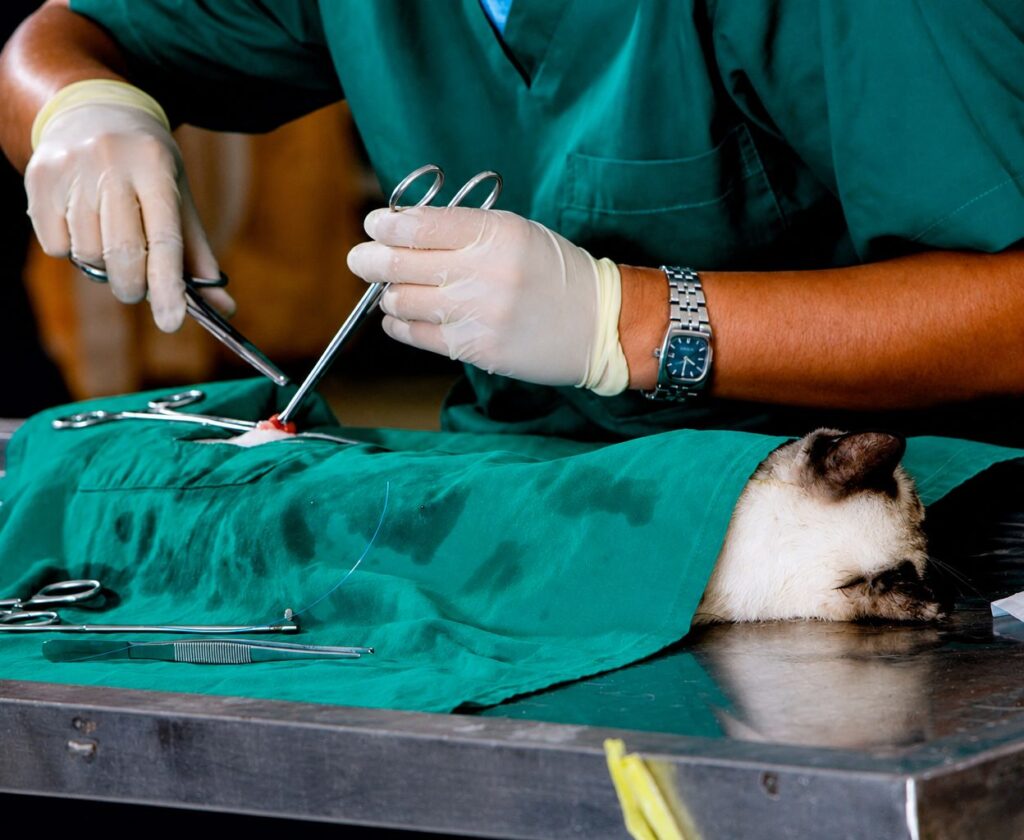
Anesthesia and Monitoring
General anesthesia is used for all surgical procedures that require the pet to be completely still, pain-free, and unable to experience the procedure consciously. The anesthetic protocol is individualized based on the pre-operative evaluation and bloodwork, taking into account the pet’s species, age, weight, health status, and the nature and expected duration of the procedure.
Throughout the procedure, a dedicated team member monitors the pet’s vital signs continuously, including heart rate, respiratory rate, blood oxygen saturation, blood pressure, and body temperature. Continuous monitoring allows the team to identify and respond to any changes in the pet’s status in real time, which is a core component of safe anesthetic management.
The Surgical Procedure
The specifics of what happens during the surgery depend entirely on the procedure being performed, but all surgeries are conducted in a sterile environment using appropriate technique and equipment designed to minimize infection risk and support healing. Post-operative pain management begins before the pet wakes from anesthesia, so that the transition from the anesthetic state to recovery is as comfortable as possible.
The veterinarian provides the owner with a clear explanation of what was found and what was done at the time of discharge, and all questions about the procedure are answered before the pet leaves the practice.
Pet Surgery Recovery
Immediately After the Procedure
Most pets begin to emerge from anesthesia within thirty to sixty minutes of the procedure ending, though this varies depending on the drugs used and the length of the procedure. During this period, the pet is kept in a warm, quiet space and monitored closely for any signs of complications. The most common observations in the immediate post-operative period include grogginess, mild disorientation, slightly reduced body temperature, and some degree of discomfort as the analgesia is titrated.
The pet is not discharged until the veterinary team is satisfied that recovery from anesthesia is proceeding normally, that pain is being adequately managed, and that the owner has received and understood the full set of discharge instructions. Taking the time to ask any remaining questions at discharge is always appropriate.
Pain Management
Effective pain management is built into the surgical plan from the start and continues through the recovery period at home. Most pets are sent home with prescribed pain medication and, in some cases, anti-inflammatory medication to manage swelling and discomfort during the early healing period.
All prescribed medication should be administered exactly as directed. If a pet appears to be in significant pain despite the medication, or if side effects develop, the veterinary team should be contacted before making any changes to the dosing schedule. Companion laser therapy is also available as a supportive post-operative treatment that reduces swelling at the incision site, improves circulation to the healing tissue, and helps ease discomfort through the recovery period without the use of additional medication. More detail on how this non-invasive treatment supports healing is available on our companion laser therapy page.
Home Care Instructions
The home recovery period is where the owner’s role becomes most important. Following the discharge instructions precisely directly affects how smoothly and quickly the pet heals. The core components of home care during pet surgery recovery typically include:
- Confining the pet to a quiet, comfortable space away from stairs, jumping, and rough activity
- Preventing the pet from licking or chewing the incision site by using an e-collar or recovery suit
- Checking the incision daily for redness, swelling, discharge, or separation of the wound edges
- Administering all prescribed medications at the correct doses and intervals
- Limiting exercise to short, controlled walks until the veterinarian confirms it is safe to return to normal activity
- Attending all scheduled follow-up appointments so healing progress can be assessed and sutures removed at the appropriate time
The length of the restricted activity period depends on the procedure. Routine spays and neuters typically require seven to ten days of activity restriction. More extensive soft tissue procedures may require a longer timeline, and the veterinarian provides specific guidance based on what was done and how the pet is healing.
Signs That Warrant a Follow-Up Call
Most pets recover from surgery without significant complications. However, owners should contact the veterinary team promptly if any of the following are observed during the recovery period:
- Persistent or worsening swelling, redness, or discharge at the incision site
- Separation or opening of the incision edges
- Significant lethargy lasting beyond twenty-four hours post-operatively
- Vomiting or diarrhea that is persistent or severe
- Refusal to eat for more than twenty-four to thirty-six hours after returning home
- Labored, rapid, or noisy breathing
- Pale, white, or bluish gum color
- Collapse or sudden inability to stand normally
These signs do not always indicate a serious complication, but each warrants assessment by the veterinary team rather than a wait-and-see approach at home. When in doubt, a phone call to the practice is always the right decision.
Supporting Recovery Through the Healing Period
Activity Restriction
One of the most common challenges during pet surgery recovery is managing a pet that feels better before it actually is. Many pets, particularly dogs, show a significant improvement in energy and mood within the first few days of returning home and will attempt to resume normal activity well before the incision has healed internally. Enforcing the activity restrictions provided at discharge, even when the pet seems fully recovered, protects the integrity of the healing tissue and reduces the risk of incision breakdown or complications in procedures where deeper tissue repair is involved.
Keeping a recovering dog on leash for all outdoor time, using a crate or small room to limit movement during unsupervised periods, and avoiding stairs and furniture jumping until the veterinarian provides clearance are all practical strategies for maintaining appropriate restriction through the full recovery period.
Nutrition During Recovery
Most pets have a reduced appetite on the evening of their surgery, which is a normal response to the anesthesia and the stress of the day. Offering a smaller meal than usual on the first evening is generally appropriate, with a return to the normal feeding schedule beginning the following morning for most procedures. If the surgery involved the gastrointestinal tract, more specific dietary guidance will be provided at discharge and should be followed carefully to support healing without placing additional demands on the recovering tissue.
Maintaining consistent hydration throughout recovery is also important. Fresh water should always be available, and any significant reduction in water intake alongside reduced food intake that persists beyond twenty-four hours should be reported to the veterinary team.
Planning for Surgery With Confidence
Surgery for pets is a significant event, and it is entirely normal for owners to feel anxious going into the process. The pre-operative consultation is the right moment to ask every question on your mind, review the care plan, and confirm that you understand what to expect both on the day of the procedure and throughout the recovery period that follows. A good pet surgery specialist ensures that owners leave that conversation feeling informed rather than uncertain, and that the discharge instructions at the end of the day give them the specific, practical guidance they need to support their pet through the healing process.
To learn more about the surgical services available and to schedule a consultation for your pet, visit Eagle Animal Hospital in Chester Springs or request an appointment online.
Frequently Asked Questions
Q: What are the most common surgeries performed on pets?
A: The most common surgeries for pets include spays and neuters for long-term health and population control, mass removals for skin and subcutaneous tumors, bladder procedures for stone removal or obstruction, and intestinal surgeries for foreign body removal or bowel disease. Specialized procedures including amputations and enucleations are also performed when they are the best option to relieve pain and improve quality of life.
Q: Is surgery safe for my pet?
A: Veterinary surgery is performed using modern equipment, individualized anesthetic protocols, and continuous patient monitoring throughout the procedure. Pre-anesthetic bloodwork and a thorough pre-operative evaluation identify risk factors in advance, allowing the team to tailor the approach to each patient. While no procedure is entirely without risk, the protocols in place at a well-equipped veterinary practice are designed to minimize those risks at every stage of the process.
Q: How long does pet surgery recovery take?
A: Recovery time depends on the procedure. Routine spays and neuters typically require seven to ten days of restricted activity before the pet can return to normal. More extensive soft tissue procedures may require a longer recovery period. The veterinarian will provide a specific timeline at discharge and confirm during the follow-up appointment when the pet is cleared for full activity.
Q: What should I do to prepare my pet for surgery?
A: Follow the fasting instructions provided by the veterinary team, typically withholding food for eight to twelve hours before the procedure. Confirm whether water should also be restricted for your specific pet. Bring your pet in calm and on time, ensure you are reachable by phone during the day for updates, and bring any questions you have about the procedure or recovery to the pre-operative conversation or at the time of drop-off.
Q: How do I know if my pet is recovering normally after surgery?
A: Normal signs in the first twenty-four hours include grogginess, reduced appetite, and mild discomfort near the incision site. Most pets are more alert and interested in food by the following day. Contact the veterinary team if you observe persistent lethargy beyond twenty-four hours, significant swelling or discharge at the incision, vomiting that continues past the first day, refusal to eat for more than thirty-six hours, or any sudden change in the pet’s condition. When uncertain, calling the practice is always the correct response.