
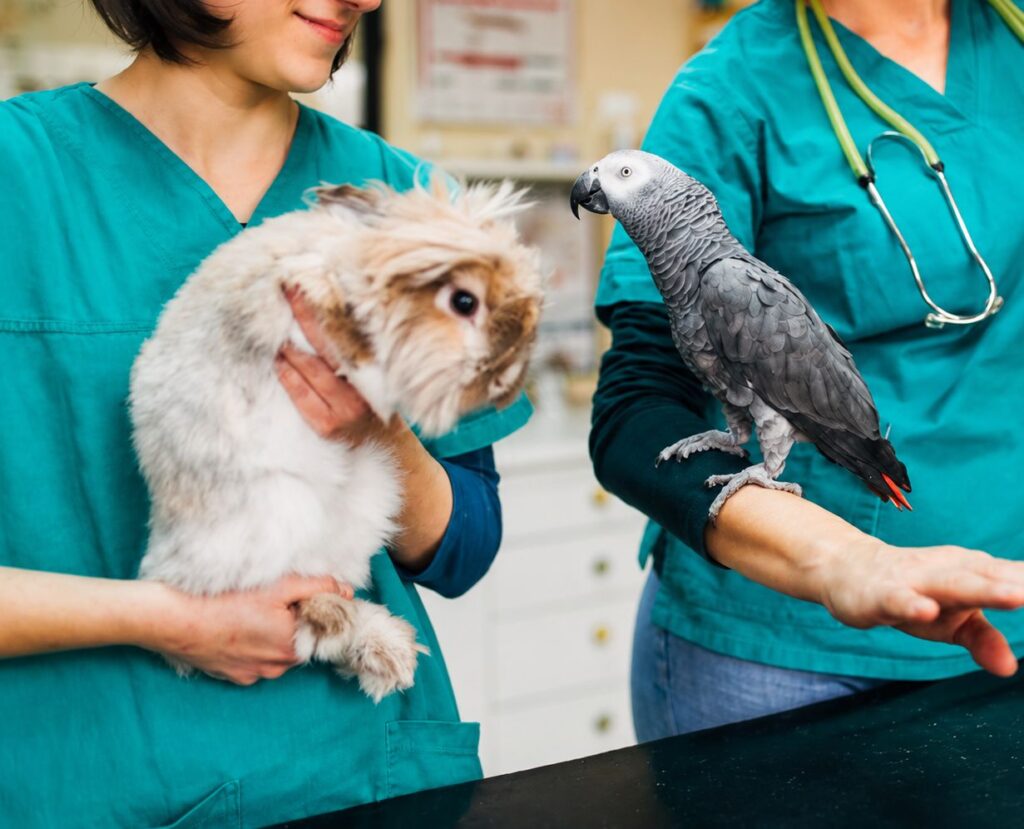
Rabbits, guinea pigs, and hamsters are among the most commonly kept small companion animals, yet they are also among the most consistently underserved when it comes to veterinary care. Many owners assume that because these animals are small and seemingly low-maintenance, they require less medical attention than a dog or cat. In practice, the opposite is true. Small exotic pets are biologically wired to conceal illness, which means that by the time an owner notices something is wrong, the underlying condition has often been developing for weeks or even months.
Working with an experienced exotic pet veterinarian is the most reliable way to stay ahead of this pattern. Routine preventive care conducted by a veterinarian with species-specific knowledge creates a clinical window into your pet’s health that home observation alone cannot provide. The four pillars of exotic pet care, which include comprehensive wellness exams, dental health assessments, nutritional guidance, and parasite screening, are each designed to identify problems at the stage when intervention is most effective.
This guide explains why small exotic pets need specialized care, what a preventive visit covers for each species, how to recognize early warning signs at home, and what to look for when choosing an exotic pet hospital for your rabbit, guinea pig, or hamster.
Why Small Exotic Pets Need Specialized Care
The Instinct to Hide Illness
Rabbits, guinea pigs, and hamsters are prey animals. In the wild, showing any sign of weakness or pain signals vulnerability to predators, and this instinct is so deeply embedded that it persists even in animals that have never encountered a predator in their lives. A guinea pig with significant dental disease may continue eating, vocalizing, and interacting with its owner right up until the point where the condition has caused serious weight loss. A rabbit with early gastrointestinal dysfunction may show no visible signs until gut motility has already slowed to a critical degree.
This concealment instinct is what makes routine veterinary care so important for these species. Waiting for obvious symptoms to appear before scheduling a visit means consistently arriving at the veterinary appointment at the wrong stage of the disease, when treatment is more complex and outcomes are less certain.
Why Species-Specific Knowledge Matters
Small exotic pets are not simply smaller versions of dogs and cats. Their anatomical structures, physiological processes, and disease patterns differ significantly across species, and a veterinarian without experience in exotic animal medicine may apply general clinical knowledge that does not translate accurately to these patients.
Rabbit digestive physiology is sensitive in ways that have no direct parallel in canine or feline medicine. Guinea pig nutritional requirements, specifically the need for dietary vitamin C, create a category of deficiency disease that does not occur in most other common companion animals. Hamsters age rapidly and develop conditions within a short lifespan that require prompt identification and species-appropriate treatment. Staying current with the latest advancements in exotic animal medicine is not optional for a practice that takes these patients seriously. It is what makes accurate diagnosis and appropriate care possible.
Species Served: Rabbits, Guinea Pigs, and Hamsters
Each of the three species most commonly seen in exotic companion animal practice presents its own clinical profile and its own category of health risks that owners and veterinarians need to understand.
| Species | Key Health Concerns | Why Veterinary Experience Matters |
| Rabbit | Dental overgrowth, gastrointestinal stasis, respiratory infection | Teeth grow continuously; gut function is highly sensitive to dietary and environmental changes |
| Guinea Pig | Vitamin C deficiency, respiratory illness, back molar disease | Cannot synthesize vitamin C internally; back teeth are invisible during home observation |
| Hamster | Wet tail disease, dental issues, skin conditions, respiratory infection | Short lifespan means health declines quickly; signs of illness are very subtle |
Rabbits
Rabbits are among the most frequently presented exotic companion animals and also among the most frequently mismanaged from a health standpoint. Their teeth grow throughout their lives and require continuous natural wear to remain at a healthy length and alignment. Any factor that disrupts this process, including diet, stress, or genetic predisposition, can lead to malocclusion, which is the misalignment of teeth that prevents proper wear and causes overgrowth. Left unidentified, dental malocclusion leads to pain, weight loss, and secondary infections.
Gastrointestinal stasis, which is a slowdown or complete cessation of normal gut movement, is another primary concern in rabbits. It can progress from a subtle reduction in fecal output to a life-threatening condition within a matter of hours, and it requires a veterinarian who understands rabbit digestive physiology to identify and manage effectively.
Guinea Pigs
Guinea pigs are vocal, social animals, and changes in their communication patterns are often among the earliest behavioral signs that something is wrong. They are prone to vitamin C deficiency because, unlike most mammals, they cannot synthesize this vitamin internally and depend entirely on dietary intake. Deficiency produces a clinical picture that includes weight loss, coat changes, reluctance to move, and swollen joints, and it is a condition that can be entirely prevented with appropriate dietary guidance.
The back teeth of guinea pigs, which are not visible during routine home observation, are a common site of dental disease. Overgrowth of these molars can bridge across the tongue and effectively trap it, preventing the animal from eating normally. Regular dental assessments by an experienced veterinarian using appropriate lighting and positioning are the only way to identify this problem before it has produced significant health consequences.
Hamsters
Hamsters have a short natural lifespan of approximately two to three years, which means health conditions that develop gradually in larger animals can progress to an advanced stage in a hamster within a matter of weeks. They are active primarily at dawn and dusk, which means owners who observe them primarily during daylight hours may miss important behavioral indicators of illness altogether. Wet tail disease, which is a stress-related gastrointestinal condition, can be rapidly fatal and requires prompt veterinary attention. Dental problems, skin conditions, and respiratory infections are also common and benefit significantly from early identification through routine care.
What Preventive Exotic Pet Care Covers
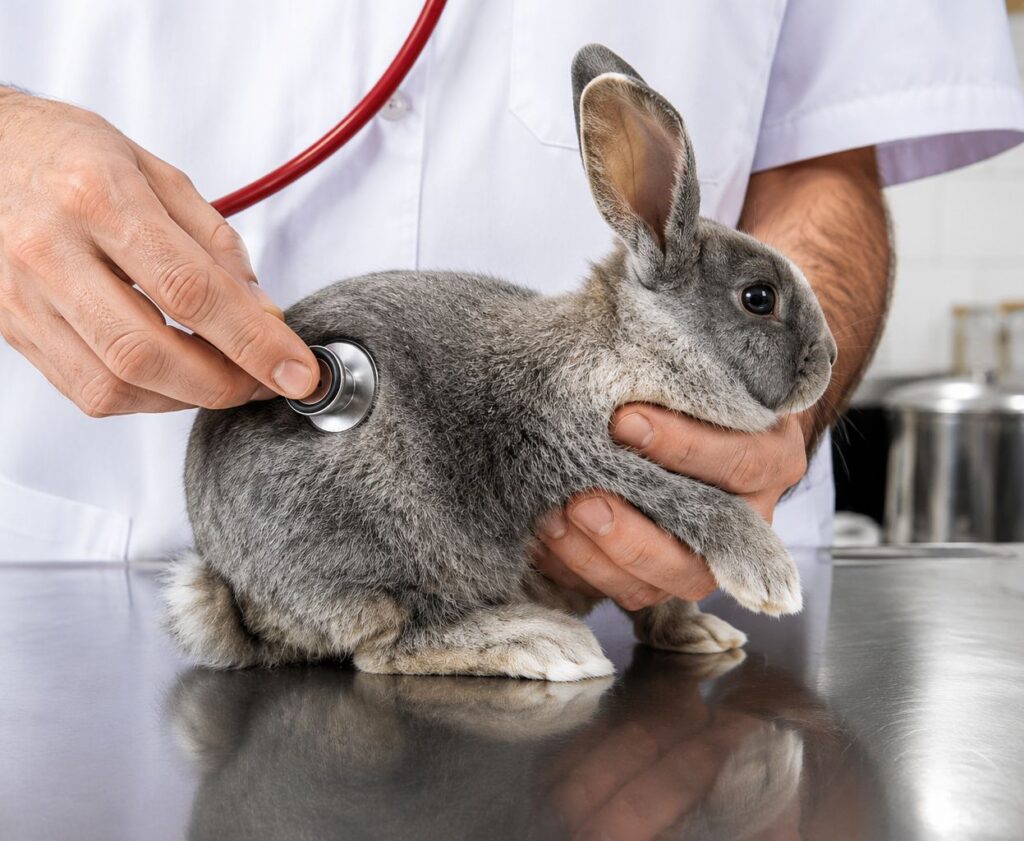
Preventive care is the primary mechanism through which hidden illness in small exotic pets is identified before it reaches a serious stage. Because these animals conceal symptoms so effectively, a routine visit functions as the main safety net between the pet and an undetected serious condition. A comprehensive visit with an exotic pet veterinarian covers four core areas. To understand what this kind of care looks like in practice, our pet wellness page outlines the overall approach to preventive medicine across all species we see.
Comprehensive Wellness Exams
A thorough physical examination is the starting point of every exotic pet visit. The veterinarian assesses weight, body condition, coat or fur quality, posture, respiratory pattern, and abdominal feel. Each of these findings carries specific significance depending on the species.
Weight loss in a guinea pig may indicate dental disease or vitamin C deficiency. Changes in fur texture in a rabbit may suggest nutritional issues or a parasite burden. Abnormal breathing in a hamster can signal respiratory infection or cardiac involvement. Establishing a detailed baseline at each visit and comparing it against prior records allows the veterinarian to identify trends before they reach the level of outward symptoms. Routine visits are how problems are caught early, through subtle weight changes, dental wear, breathing patterns, and behavior shifts that owners often cannot detect on their own.
Dental Health Assessments
Dental disease is one of the most common health problems in rabbits and guinea pigs, and it is one of the most frequently missed by owners at home. Both species have teeth that grow continuously throughout their lives, and any disruption to normal tooth wear creates conditions for overgrowth and malocclusion.
A dental assessment during each visit involves examining tooth length, alignment, and the condition of the soft tissue surrounding the teeth. Appropriate lighting and positioning allow the veterinarian to visualize areas that are completely inaccessible during home observation, including the back molars in guinea pigs where some of the most significant disease occurs. Catching dental problems at an early stage prevents pain, weight loss, and the secondary infections that frequently follow untreated oral disease in small exotic pets.
Nutritional Guidance Tailored to Each Species
Diet is one of the most powerful determinants of long-term health in small exotic pets, and the requirements differ substantially between species and even between life stages within the same species. Rabbits need a diet built primarily around unlimited high-quality hay, which drives proper dental wear and supports the sensitive gastrointestinal system. Guinea pigs require a reliable dietary source of vitamin C, since they cannot synthesize it internally. Hamsters have different caloric needs and food sensitivities that require specific attention.
Nutritional guidance provided by an exotic pet veterinarian addresses these distinctions specifically and evolves as the pet ages or as health conditions change. Dietary adjustments guided by clinical observation are a core component of ongoing exotic pet care and can prevent a significant proportion of the most common health problems seen in these species.
Parasite Screening and Prevention
External and internal parasites affect small exotic pets in ways that differ from the patterns seen in dogs and cats. Mites are a common concern in guinea pigs and can produce intense itching that leads to self-injury if left untreated. Ear mites affect rabbits and hamsters. Intestinal parasites may be introduced through hay, bedding, or contact with other animals.
Routine parasite screening at each visit checks for these threats and allows the veterinarian to recommend appropriate prevention or treatment for the specific species. In indoor animals with limited exposure, screening may be less frequent, but it remains a meaningful part of comprehensive care because some parasites can be introduced through everyday sources that owners would not typically consider a risk.
How to Recognize Hidden Illness Between Appointments
Regular veterinary visits provide the primary line of defense, but owners play an important supporting role in monitoring their small pets between appointments. The signs that emerge in a concealing species tend to be behavioral and subtle rather than obviously physical.
Signs to Watch for in Rabbits
Any change from a rabbit’s established daily pattern is worth noting, particularly changes in fecal output, eating habits, and activity level. Reduced or absent fecal pellets over a period of several hours is one of the most important warning signs in rabbits, as it can indicate the early stages of gastrointestinal stasis. Other signs that warrant a prompt veterinary evaluation include:
- Not eating hay or refusing food entirely
- A hunched, tucked posture that differs from normal resting positions
- Audible tooth grinding, which indicates pain
- Reduced interest in movement or grooming
- Visible head tilt or loss of balance
Signs to Watch for in Guinea Pigs
Guinea pigs communicate through a range of vocalizations, and a noticeable reduction in normal sounds is often one of the earliest indicators that something is wrong. Other signs worth monitoring include:
- Weight loss, which may be subtle and is best tracked by weekly handling and gentle assessment
- Changes in the consistency, quantity, or appearance of droppings
- Discharge from the eyes or nose
- Reluctance to put weight on a limb or difficulty moving
- Rough, dull, or patchy coat condition
Signs to Watch for in Hamsters
Hamsters require careful observation during their active periods to establish what is normal for each individual animal. Signs that warrant a veterinary evaluation include:
- Unusual inactivity during the periods when the hamster is normally active
- Wet, matted fur around the tail area, which is a sign of wet tail disease
- Significant weight changes in either direction
- Reduced food intake or difficulty eating, which may indicate dental pain
- Changes in coat quality or any visible skin abnormality
How Often Exotic Pets Should Be Seen
The minimum recommendation for healthy adult small exotic pets is an annual wellness visit. For rabbits and guinea pigs, many veterinarians recommend twice-yearly exams given the speed at which dental and gastrointestinal conditions can develop in these species. Hamsters, with their short lifespan, benefit from at least annual exams and potentially more frequent monitoring during their senior period.
Any time a small exotic pet displays the signs described in the previous section, a veterinary visit should be scheduled without waiting for the next routine appointment. Dental concerns can be addressed through a focused examination even outside of annual wellness visits, and prompt attention to any concerning change is always the better approach with these species. Learn more about the dental care available for small animals at our practice.
What to Look for in an Exotic Pet Hospital
Not every veterinary practice is equally equipped to provide care for small exotic companion animals. When evaluating an exotic pet hospital for a rabbit, guinea pig, or hamster, the most important factors are whether the practice has a veterinarian with dedicated training or continuing education in exotic animal medicine, and whether the clinical tools available are appropriate for small patients.
Access to diagnostic imaging and bloodwork sized for exotic patients allows the veterinarian to investigate internal findings that cannot be determined through physical examination alone. Surgical capability within the same practice matters as well, since rabbits and guinea pigs occasionally require surgical intervention, and having that available without referral supports continuity of care for the pet and convenience for the owner.
Keeping Your Small Pet Healthy for the Long Term
Small exotic pets do not require less veterinary attention than dogs and cats. They require consistent, species-appropriate attention from a veterinarian who understands how these animals behave, how they age, and how their most common conditions present and progress. A rabbit, guinea pig, or hamster seen regularly by an experienced exotic pet veterinarian builds a health record that makes early detection genuinely achievable rather than a matter of luck.
The combination of routine professional examinations, attentive home monitoring, species-appropriate nutrition, and prompt follow-up when anything changes gives small exotic pets the best possible foundation for a comfortable, healthy life. To schedule an appointment for your small companion animal, request a visit online or contact our team directly.
To learn more about all services available for exotic companion animals and other pets, visit Eagle Animal Hospital in Chester Springs.
Frequently Asked Questions
Q: What small exotic pets does an exotic pet veterinarian typically treat?
A: An exotic pet veterinarian with experience in small companion animals typically treats rabbits, guinea pigs, and hamsters. Each species has distinct anatomical, dental, and nutritional needs that require species-specific knowledge, which is why seeking a veterinarian with dedicated exotic animal experience is important for these patients.
Q: How often should a rabbit or guinea pig see a veterinarian?
A: At minimum, once a year for a routine wellness exam. Because these animals age faster than dogs and cats and conceal illness so effectively, many veterinarians recommend twice-yearly visits for adult rabbits and guinea pigs. Animals showing any behavioral or physical changes should be seen sooner rather than waiting for a scheduled appointment.
Q: How can I tell if my small exotic pet is hiding illness?
A: Watch for any change from your pet’s normal pattern, including reduced eating or drinking, changes in droppings, unusual inactivity, altered posture, coat changes, or weight loss. Any persistent change that is out of character for your pet warrants a veterinary evaluation, even in the absence of obvious physical symptoms.
Q: Why does dental care matter so much for rabbits and guinea pigs?
A: Both species have teeth that grow continuously throughout their lives. When teeth become misaligned or overgrown, the resulting pain and difficulty eating can lead to rapid weight loss and serious secondary complications. Regular dental assessments at each visit identify these problems before they progress to a stage where treatment becomes significantly more complex.
Q: What should I feed my exotic pet?
A: Nutritional needs vary significantly by species. Rabbits thrive on a diet built around unlimited high-quality hay. Guinea pigs require a dietary source of vitamin C since they cannot produce it internally. Hamsters have specific caloric needs that differ from both. An exotic pet veterinarian provides nutritional guidance tailored to your pet’s species, age, and health status.