
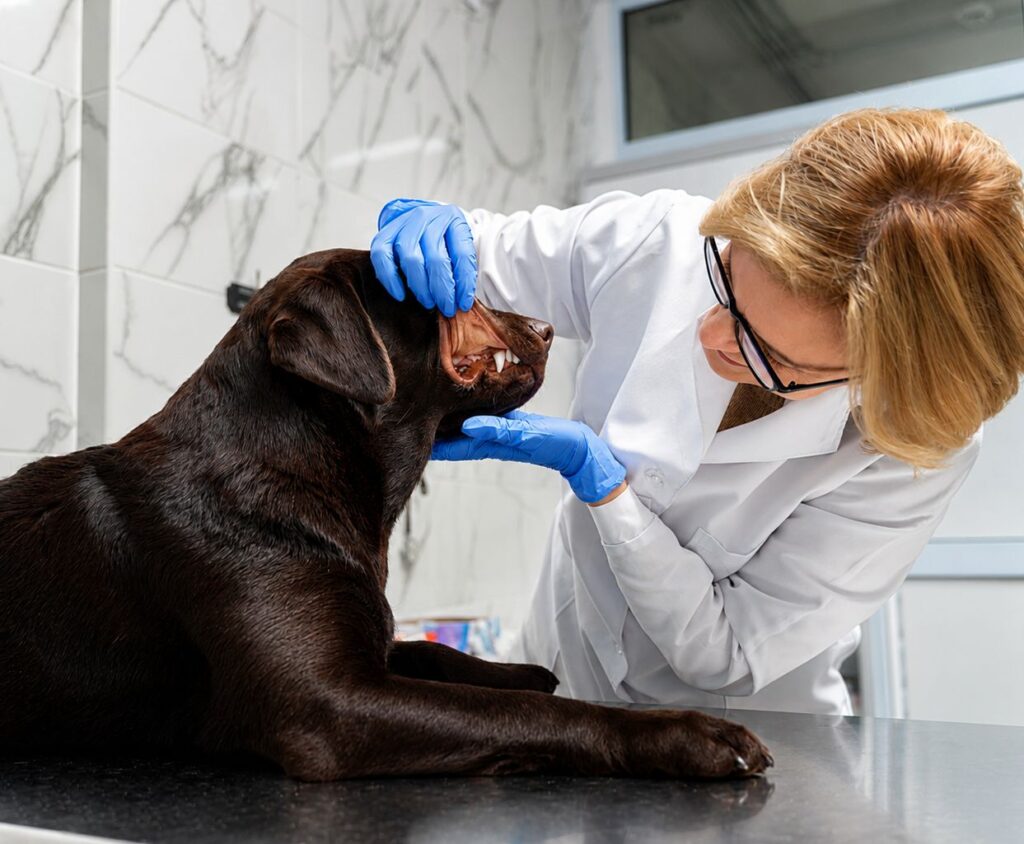
Dental disease is one of the most common health conditions in dogs and cats, yet it remains one of the most consistently underestimated. By the time a pet reaches three years of age, a significant percentage already show measurable signs of periodontal disease. That statistic is not a reason for alarm. It is a reason to pay closer attention to what is happening inside your pet’s mouth and to understand what the early warning signs actually look like before the condition progresses.
The challenge with pet dental disease is that animals are remarkably skilled at hiding oral discomfort. A dog with a painful infected tooth may still greet you at the door and finish every meal. A cat with significant gum disease may purr contentedly in your lap without giving any obvious indication that something is wrong. Routine dental care for pets is designed precisely for this reason, because waiting for a pet to show obvious pain means the disease has already advanced further than it needed to.
This guide covers how dental disease develops, what the early and late signs look like in dogs and cats, why pet dental disease affects the entire body rather than just the mouth, and what professional treatment involves at each stage.
How Dental Disease Develops
The Role of Plaque and Tartar
Plaque is a soft, colorless film of bacteria that forms on tooth surfaces within hours of eating. At this stage it is removable with a toothbrush, which is why daily brushing is the most effective preventive tool available. If plaque is not regularly removed, it absorbs minerals from saliva and hardens into tartar, typically within two to three days. Tartar is a rough, porous material that adheres tightly to the tooth surface and cannot be brushed away at home, regardless of how frequently or thoroughly brushing is attempted.
From Gingivitis to Periodontitis
As tartar accumulates along and below the gum line, the bacteria within it trigger an inflammatory response in the surrounding tissue. This gum inflammation is called gingivitis, and it is the earliest clinical stage of periodontal disease. At the gingivitis stage, the damage is still reversible. The gum tissue is inflamed but structurally intact, and a professional dental cleaning at this point can return the tissue to a healthy state.
If gingivitis is not treated, it advances to periodontitis, where inflammation spreads from the gum tissue to the structures that anchor the teeth, including the periodontal ligament and the underlying bone. This damage is not reversible. Once bone has been lost around a tooth root, it does not regenerate. Periodontitis is the stage at which teeth become loose, root abscesses develop, and dental surgery for pets in the form of extraction becomes necessary to remove diseased teeth and eliminate the source of infection.
Why Pet Dental Disease Is So Easy to Miss
Pets Hide Pain Instinctively
Dogs and cats have a strong instinct to suppress behavioral signs of pain. In the wild, showing weakness invites predation, and this instinct persists in domestic animals despite generations of living with humans. A pet in chronic oral pain often continues eating, drinking, and behaving socially in ways that appear entirely normal. The only reliable way to identify what is happening below the gum line is through a thorough oral exam performed by a veterinarian under anesthesia, combined with dental X-rays that reveal root and bone structure.
The Limits of Home Observation
Most owners spend limited time looking inside their pet’s mouth, and even when they do, the most significant disease is often invisible on the surface. Tartar is visible on the crowns of teeth, but the more destructive processes, including root infections, bone loss, and pocket formation below the gum line, are hidden from view entirely. This is why dental assessments are included in every routine wellness exam. The veterinarian assesses the teeth and gums at each visit, looks for visible tartar, checks the gum line for inflammation, and identifies any areas that warrant further investigation well before an owner would notice anything at home.
Early Signs of Dental Disease in Pets
Persistent Bad Breath
The most common early indicator of pet dental disease is bad breath that persists consistently rather than occasionally. Every pet has some level of mouth odor, but a healthy mouth has a relatively neutral smell. A consistently foul, sour, or distinctly unpleasant odor is a reliable sign that bacterial activity is elevated, and usually means tartar and gum inflammation are already present.
Visible Tartar Accumulation
Tartar appears as yellow or brown discoloration on the tooth surface, most often visible on the upper back teeth and the canines. Mild discoloration at the base of a tooth is an early indicator. Thick, brown buildup covering a significant portion of the crown indicates more advanced accumulation that has likely been present for some time.
Gum Redness and Swelling
Healthy gums are pale pink and lie smoothly against the teeth. A red or dark pink line running along the gum edge where it meets the tooth is an early sign of gingivitis. Swollen, puffy-looking gum tissue that bleeds easily when touched indicates active inflammation. At this stage, the damage is still reversible, but it requires professional intervention to resolve.
Changes in Eating Habits
A pet that has always eaten enthusiastically but begins to eat more slowly, mouth food without chewing properly, or shows a preference for one side of the mouth may be experiencing early oral discomfort. These changes are subtle and easy to miss, particularly in cats or in pets that appear to manage their food without visible difficulty.
Later Signs That Indicate Advanced Disease
As pet dental disease progresses into the periodontitis stage, the behavioral and physical signs become more pronounced and harder to overlook.
| Sign | What It May Indicate |
| Dropping food while eating | Pain when applying chewing pressure |
| Pawing at the mouth or face | Discomfort or pressure from infected tissue |
| Chewing only on one side | Avoiding a painful tooth or area |
| Reduced interest in toys and chews | Oral sensitivity making play uncomfortable |
| Facial swelling near the jaw or under the eye | Tooth root abscess extending into surrounding tissue |
| Loose or visibly missing teeth | Significant bone loss from periodontitis |
| Blood on food, toys, water bowl, or bedding | Active bleeding from inflamed gum tissue |
| Changes in behavior or temperament | Chronic pain affecting overall mood and daily activity |
| Unexplained weight loss | Reduced food intake due to oral pain |
It is worth noting that many pets display none of these obvious signs even when dental disease is severe. Pets that have lived with chronic oral pain often adapt their behavior gradually in ways that owners do not identify as pain-related until after treatment. Post-treatment owners frequently report that their pet seems brighter, more playful, and more engaged than they had been in months, which reflects how significantly chronic oral pain can affect quality of life without being outwardly obvious.
How Dental Disease Affects the Whole Body
The Systemic Connection
Pet dental disease does not stay confined to the mouth. When bacteria accumulate below the gum line in inflamed tissue, they gain access to the bloodstream. From there, they circulate throughout the body and can affect the heart, liver, and kidneys. Bacteria from oral infections can settle on heart valves, contribute to liver inflammation, and place additional strain on kidneys that are already filtering the blood continuously.
Why This Makes Dental Care a Whole-Body Priority
This connection between oral health and systemic health is well established in veterinary medicine and is one of the primary reasons that professional dental cleanings are considered part of a pet’s preventive care plan rather than a cosmetic service. Pets that receive consistent dental care tend to have better organ health profiles over time and a more comfortable, active senior life than those whose dental disease is left unaddressed. Scheduling a dental exam as part of routine annual care is the most reliable way to stay ahead of the problem before systemic effects have a chance to develop.
Factors That Affect How Quickly Dental Disease Develops
Breed and Jaw Structure
Small and toy breeds are disproportionately affected by dental disease. Their teeth are often crowded into a jaw too small to accommodate them with proper spacing, which traps food and bacteria and creates conditions for faster tartar accumulation. Brachycephalic breeds such as Pugs, Bulldogs, and Shih Tzus frequently have rotated or overlapping teeth that are particularly difficult to keep clean. In these breeds, early and consistent dental care from puppyhood significantly reduces the severity of disease in adult life.
Age
Senior pets are more vulnerable to advanced dental disease because cumulative years of plaque and tartar take their toll on gum tissue and underlying bone. Older pets also tend to have a reduced immune response to bacterial challenges, which means gum infections progress more quickly. Dental exams every six months are often recommended for senior dogs and cats rather than annually.
Diet and Home Care
Soft or wet food diets leave more residue on tooth surfaces than dry kibble. Treats high in sugar or starch also contribute to faster plaque accumulation. Daily brushing is the single most impactful home intervention available, and the frequency of professional cleanings required is directly related to how consistently at-home brushing is performed.
Existing Health Conditions
Pets with diabetes, immune-mediated conditions, or kidney disease often develop dental disease more quickly because their bodies are less equipped to manage bacterial challenges effectively. In these patients, dental care becomes even more important as a way of reducing systemic bacterial burden.
What Professional Dental Care for Pets Involves
Digital Dental X-Rays
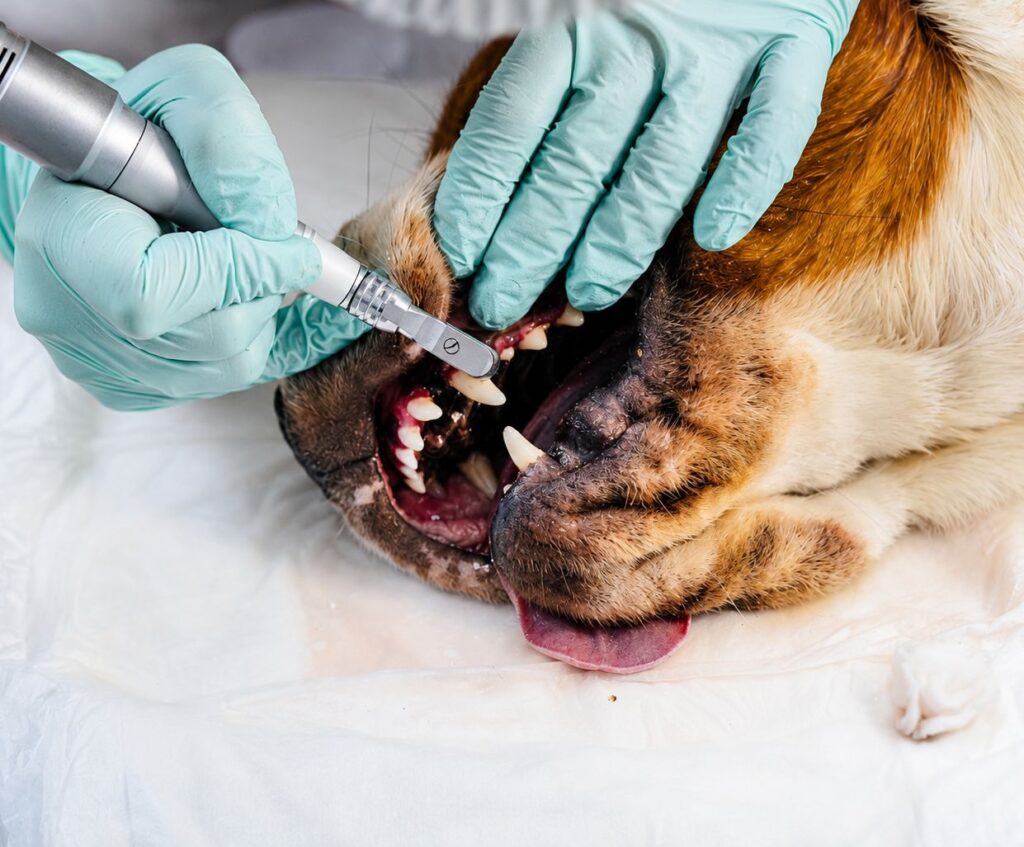
A professional dental cleaning is a clinical procedure, not a cosmetic grooming service. The process begins with digital dental X-rays taken before any cleaning starts. These images reveal the full structure of each tooth including the root, surrounding bone, and periodontal ligament. Root infections, bone loss, and internal tooth damage are invisible to the naked eye during a surface examination and would be missed entirely without X-ray imaging. Identifying these issues before cleaning allows the veterinarian to plan treatment accurately.
Scaling and Polishing
After X-rays are reviewed, ultrasonic scaling removes accumulated tartar and plaque from above and below the gum line. The ultrasonic scaler uses high-frequency vibrations combined with water to break down tartar without damaging the underlying tooth structure. Following scaling, the teeth are polished to smooth the enamel surface. Smooth enamel is less hospitable to plaque adhesion than the rough surface left by tartar, which means polishing actively slows re-accumulation after the cleaning.
The entire procedure is performed under general anesthesia, which allows the veterinary team to work thoroughly below the gum line without causing distress, examine every area of the mouth carefully, and maintain a safe airway throughout. Anesthesia-free dental cleaning options exist but address only the visible tooth surface and cannot replace the clinical value of a complete professional procedure.
Extractions and Dental Surgery
If teeth are found to be damaged, infected, or structurally unsalvageable during the procedure, dental surgery for pets in the form of extraction is performed under the same anesthesia with full pain management. The pet wakes from the procedure with the source of infection fully removed. Most pets recover more quickly than owners expect, with appetite and energy returning to normal within a few days.
At-Home Dental Care Between Professional Cleanings
Daily Brushing
Professional cleaning removes established disease, but at-home care is what prevents it from returning as quickly. Daily tooth brushing with a toothpaste formulated specifically for pets is the most effective home tool available. Pet-safe toothpastes are designed to be swallowed and come in flavors that most animals find palatable, which makes compliance easier than human toothpaste would allow. Human toothpaste should never be used on pets, as many formulations contain xylitol and fluoride, both of which are toxic to dogs and cats even in small amounts.
Supportive Products
For pets that resist brushing or for owners looking for additional support, dental chews approved by the Veterinary Oral Health Council provide a meaningful secondary option. These products have been independently tested to demonstrate a measurable reduction in plaque or tartar accumulation. Chew toys made from appropriately soft materials also contribute to oral hygiene but should pass the thumbnail test: if you cannot indent the material with your thumbnail, the toy is too hard and risks fracturing teeth. Detailed guidance on starting dental care habits early in a puppy’s life, including step-by-step brushing instructions, is available on our new puppy resources page. The same principles apply to adult pets being introduced to brushing for the first time.
Water additives and dental diets formulated for plaque reduction provide additional support and work best as part of a layered approach that also includes regular professional dental exams.
When to Schedule a Dental Exam
Owners do not need to wait for obvious symptoms to request a dental evaluation. Because dental checks are part of every routine wellness visit, the veterinarian reviews the mouth at each annual appointment and recommends a professional cleaning when the timing is right. If a pet is seen annually and oral health is tracked at each visit, cleanings can be scheduled proactively before disease has progressed to the point where extractions are needed.
If you notice any of the signs described in this guide between scheduled visits, that is sufficient reason to schedule a focused dental exam without waiting for the annual appointment date. Earlier intervention consistently leads to simpler treatment and faster recovery. To request an appointment for a dental evaluation, contact our office directly or book online.
Protecting Your Pet’s Oral and Overall Health Long Term
Dental disease is preventable, manageable, and in its early stages, reversible. The challenge is that the window for the simplest treatment closes faster than most owners realize, because the disease progresses quietly and pets are not reliable reporters of their own pain. The most effective approach combines annual professional dental exams, timely cleaning when the veterinarian recommends it, and daily at-home brushing that keeps plaque from re-establishing itself between professional visits. Starting these habits early in a pet’s life and maintaining them consistently across every life stage is what keeps a pet’s mouth healthy and their overall health protected for years to come.
To learn more about how dental health fits into your pet’s overall preventive care plan, visit Eagle Animal Hospital for a full overview of services available for dogs, cats, and small animals in Chester Springs and across Chester County.
Frequently Asked Questions
Q: What are the first signs of dental disease in pets?
A: The earliest signs include persistent bad breath beyond normal mouth odor, visible yellow or brown tartar along the gum line, and reddened or swollen gum tissue at the base of the teeth. Mild reluctance to chew hard food is another early indicator. These signs often appear before the pet shows any obvious discomfort and indicate the disease is present but still in a treatable stage.
Q: Can dental disease in pets cause problems beyond the mouth?
A: Yes. Bacteria from infected gum tissue can enter the bloodstream and travel to the heart, liver, and kidneys. This is why routine dental care for pets is considered part of whole-body preventive health rather than a cosmetic service. Treating dental disease early significantly reduces the bacterial load that reaches these organs over time.
Q: Why is anesthesia necessary for a professional pet dental cleaning?
A: Anesthesia allows the veterinary team to clean thoroughly below the gum line, take dental X-rays safely, and examine every area of the mouth without movement or distress. Most dental disease occurs below the gum line where it cannot be addressed in an awake patient. Anesthesia-free cleanings only address the visible tooth surface and miss the root of the problem.
Q: How often should pets have a professional dental cleaning?
A: Most adult dogs and cats benefit from a professional cleaning once a year. Small breeds and senior pets often need cleanings every six months due to faster tartar accumulation and increased vulnerability to periodontal disease. Your veterinarian will recommend the most appropriate interval based on what they observe at each wellness visit.
Q: What happens if my pet needs a tooth extracted?
A: Dental surgery for pets involving extractions is performed under the same anesthesia as the cleaning, with full pain management throughout. The procedure removes the source of infection or structural damage. Most pets recover well within a few days and return to normal eating and activity levels once the extraction site heals.