
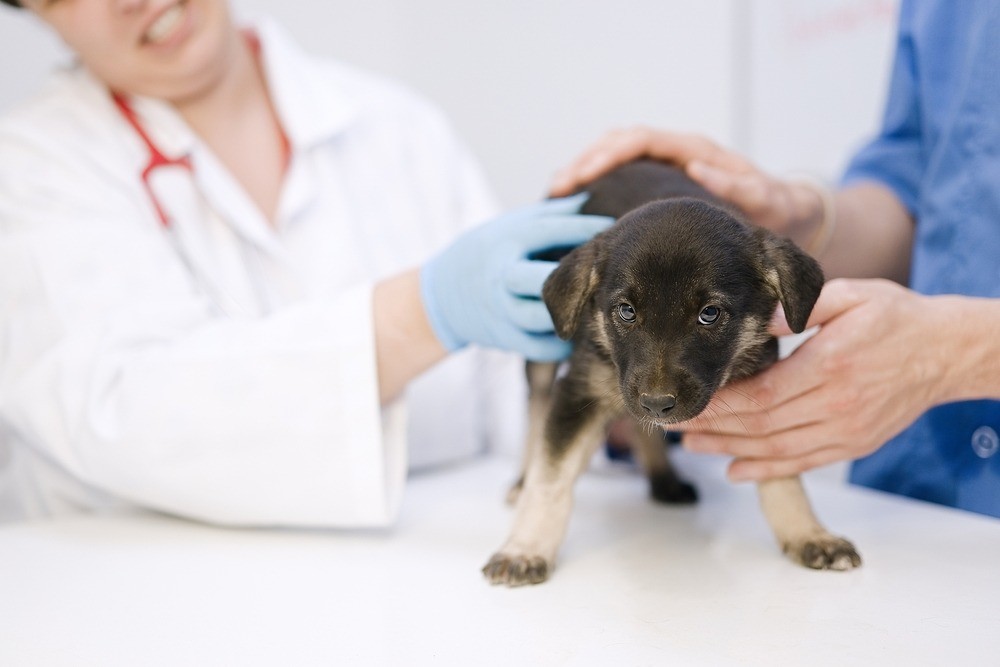
The puppy first vet visit is one of the most important appointments of your dog’s early life. It starts the vaccine series, establishes a baseline health record, and gives your veterinarian a first look at your puppy’s overall condition. But for many puppies, and many owners, it is also the most stressful appointment on the calendar.
New sights, unfamiliar smells, other animals in the waiting room, and the handling that comes with a physical exam can be overwhelming for a young dog. The good news is that with a little preparation, the experience can be calm and even positive. A relaxed first visit sets a tone that makes every future appointment easier.
This guide covers what happens during the puppy wellness exam, how to prepare your puppy beforehand, and what to do in the days following the visit to support recovery and reinforce a positive association with veterinary care.
When to Schedule the Puppy First Vet Visit
The puppy first vet visit should happen within the first week of bringing your puppy home, ideally when the puppy is around six to eight weeks of age. This timing matters because it allows the veterinary team to begin the vaccine series at the right point in the puppy’s development and catch any early health concerns before they progress.
If your puppy came with records from a breeder or shelter, bring them. The veterinarian will review any vaccines or deworming already given and continue the schedule from there. If no records are available, the team will start fresh based on the puppy’s estimated age and health status.
What Happens During the Puppy Wellness Exam
A puppy checkup is a structured, unhurried visit that covers several areas in one appointment. Owners are encouraged to ask questions at any point during the visit.
Physical Examination
The veterinarian will perform a complete nose-to-tail exam. This includes checking the eyes, ears, nose, and oral cavity, assessing skin and coat condition, listening to the heart and lungs, and palpating the abdomen and lymph nodes. The puppy is weighed, and a body condition score is recorded to track growth at future visits.
Parasite Screening and Deworming
A fecal sample is used to check for intestinal parasites including roundworms, hookworms, whipworms, and tapeworms. Intestinal parasites are common in puppies, particularly those from shelters or breeders, and many carry parasites without showing visible symptoms. If parasites are found, deworming medication is provided. A fecal test is recommended at each visit in the puppy series, at 8, 12, and 16 weeks of age, and then at the yearly wellness exam.
Vaccine Administration
The first round of vaccines is given at this visit if the puppy is eight weeks of age. This typically includes DAPPV, which protects against Canine Distemper, Adenovirus, Hepatitis, Parainfluenza, and Parvovirus, and Bordetella, which protects against kennel cough. Future visits at 12, 16, and 20 weeks will add Leptospirosis, Rabies, Lyme, and Canine Influenza to the schedule. For a full breakdown of what each vaccine covers, visit our pet vaccinations page.
Parasite Prevention Discussion
The veterinarian will recommend a flea, tick, and heartworm prevention plan tailored to your puppy’s age and weight. Products available include Credelio and Simparica Trio for flea and tick prevention, and Interceptor Plus for heartworm and intestinal parasite control. Keeping puppies on year-round prevention from an early age is a core part of new puppy care in Chester County.
Feeding, Training, and Socialization
The visit also includes a conversation about what to feed your puppy, how often to feed, and what a healthy growth rate looks like. Training basics, socialization windows, and behavioral expectations during puppyhood are discussed as well. This is also a good time to bring up any questions about dental care, crate training, or sleep routines.
How to Prepare Your Puppy Before the Visit
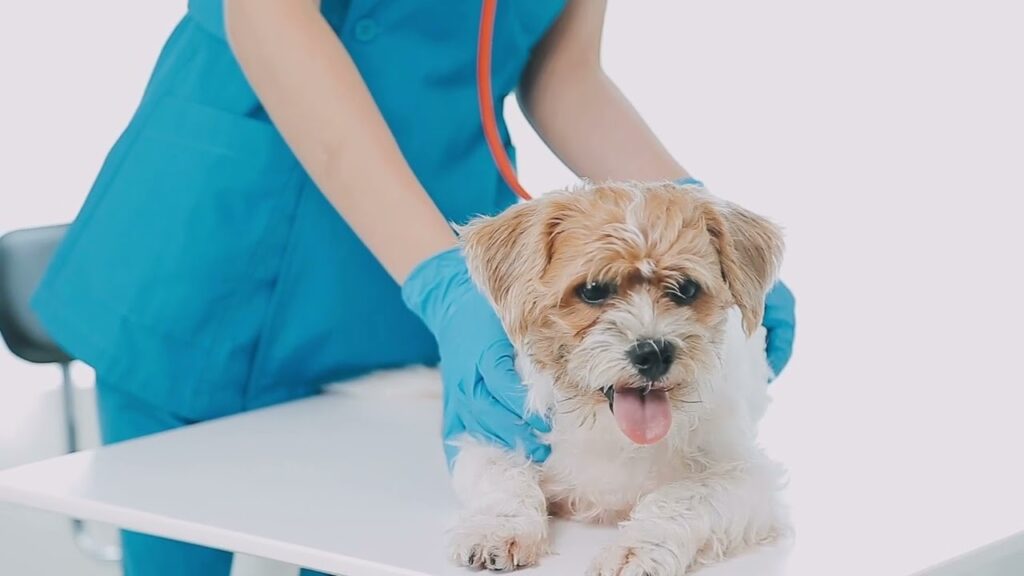
A little groundwork at home in the days before the appointment can make a noticeable difference in how calmly your puppy handles the experience.
Start by handling your puppy daily in ways that mimic what happens during an exam. Gently lift their lips to look at their gums, open their ears briefly, touch their paws and press lightly between the toes, and run your hands along their back and belly. Pair each of these with a small, high-value treat. Puppies who are comfortable being touched in these areas are easier to examine and recover faster from any anxiety they may feel in the clinic.
Practice loading and sitting quietly in the carrier or car in the days before the visit so the travel itself does not add stress to an already new situation. A towel placed in the carrier that carries a familiar scent from home can also help a puppy feel more settled on the trip. On the day of the appointment, arrive a few minutes early so the puppy has a moment to settle before going into the exam room.
A full overview of what to expect during the first year of your puppy’s care, including feeding, grooming desensitization, and dental care, is available on our new puppy resources page.
During the Visit: What Owners Can Do
Your presence and energy directly affect how your puppy responds in the exam room. Staying calm, speaking in a steady voice, and offering treats throughout the exam helps your puppy associate the experience with something positive. Avoid over-reassuring a puppy that is showing fear, as this can inadvertently reinforce anxious behavior. Instead, use a matter-of-fact tone and reward calm behavior with treats and quiet praise.
Let the veterinary team guide the flow of the exam. Most veterinary professionals are experienced in handling nervous puppies and will adjust their approach based on how the puppy responds. If your puppy is particularly anxious, mention it when you call to book the appointment so the team can plan extra time.
What to Expect After the Puppy Checkup
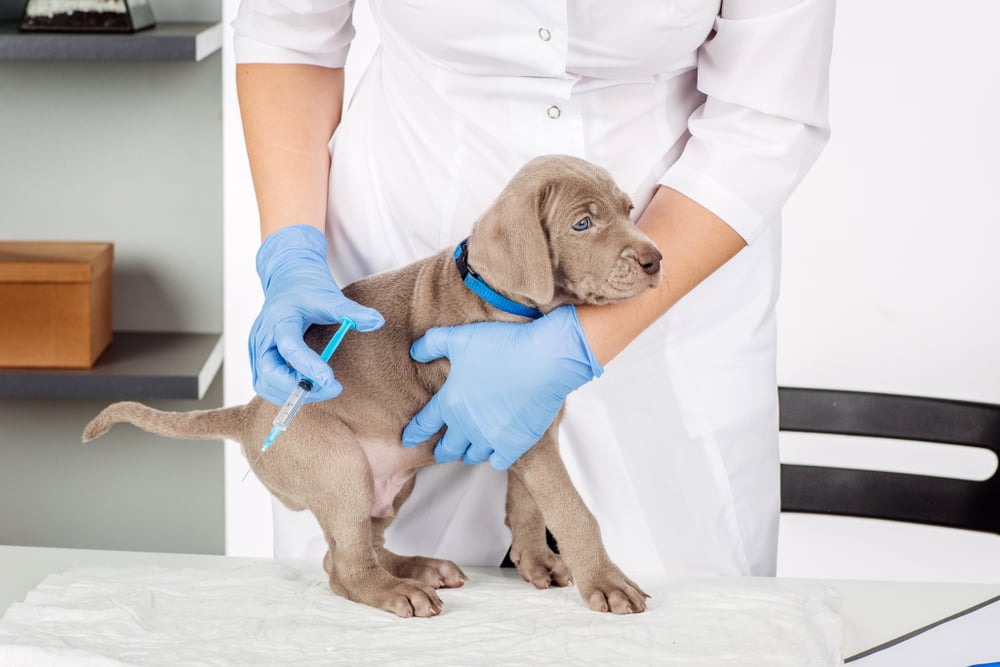
Most puppies are back to normal energy levels within a few hours of the appointment. Some may be slightly tired or less active for the remainder of the day after receiving vaccines, which is a normal mild response. Mild soreness at the injection site is also expected and typically resolves within one to two days.
Monitor your puppy over the next twenty-four to forty-eight hours and contact your veterinarian if you notice vomiting, diarrhea, swelling of the muzzle or face, hives, or labored breathing, as these may indicate a more significant reaction that needs prompt attention.
After the appointment, return to your puppy’s normal routine as quickly as possible. Continue handling their paws, mouth, and ears daily to reinforce the familiarity built before the visit. Using the same treat used in the clinic at home can help your puppy form a positive memory of the whole experience.
Building a Positive Relationship With Veterinary Care
The goal of a calm puppy first vet visit goes beyond the appointment itself. Puppies that have relaxed early experiences at the clinic tend to be easier to handle at every future visit, which makes it safer and less stressful for them throughout their life. A puppy wellness exam performed in a low-stress environment also gives the veterinary team a more accurate picture of the puppy’s normal behavior and physical condition, since fear can temporarily elevate heart rate and affect other exam findings.
Consistent, well-timed new puppy care that begins with an early and positive first visit sets the foundation for a lifetime of good health and manageable veterinary appointments. If your puppy is ready for its first exam, the team at Eagle Animal Hospital in Chester Springs is here to help. Request an appointment online or review our pet wellness page for more on what routine care looks like at each life stage.
Frequently Asked Questions
Q: When should I take my puppy to the vet for the first time?
A: The puppy’s first vet visit should happen within the first week of bringing your puppy home, ideally when the puppy is around six to eight weeks of age. Early visits allow the vaccine series to begin on time and give the veterinarian a chance to identify any health concerns early.
Q: What does a puppy wellness exam include?
A: A puppy wellness exam includes a complete physical examination, weight check, fecal parasite screening, deworming if needed, the first round of vaccines, a parasite prevention discussion, and a conversation about feeding, training, and socialization. The visit typically takes thirty to forty-five minutes.
Q: How do I calm my puppy before a vet visit?
A: Handle your puppy daily in ways that mimic the exam, touching ears, paws, mouth, and belly, and pair each touch with a treat. Practice sitting calmly in the carrier before the visit day. On the day, stay calm yourself, arrive a few minutes early, and bring high-value treats to use throughout the appointment.
Q: Is it normal for my puppy to be tired after vaccines?
A: Yes. Mild tiredness and reduced activity for a day after vaccines is a normal response. Slight soreness at the injection site is also expected. Contact your veterinarian if your puppy develops vomiting, facial swelling, hives, or difficulty breathing, as these may indicate a reaction.
Q: How many vet visits does a puppy need in the first year?
A: Puppies typically need four to five visits in their first year to complete the vaccine series. Visits are scheduled at approximately 8, 12, 16, and 20 weeks for vaccines, with additional visits as needed for parasite screening, deworming, and spay or neuter planning.