
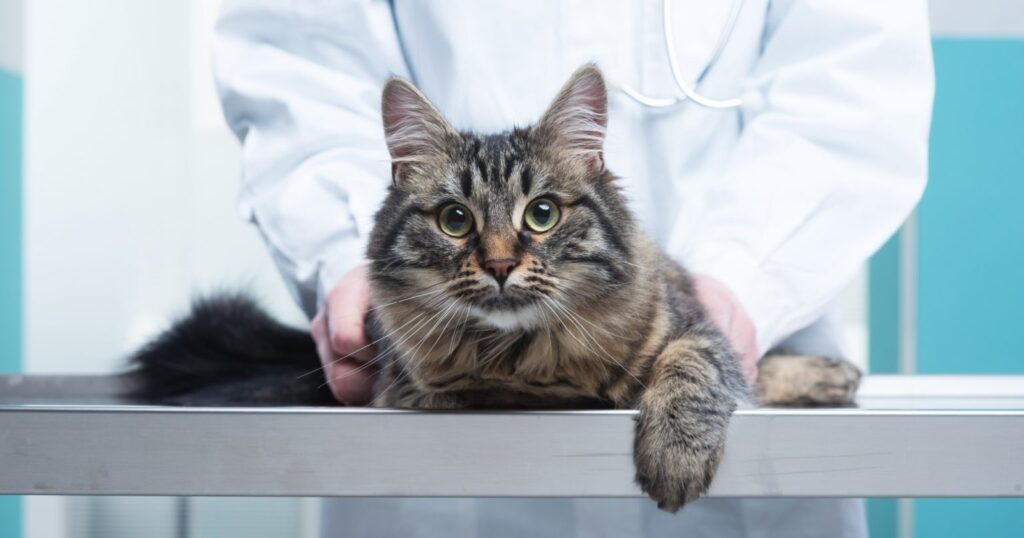
Most pet owners think to call the veterinarian when something is clearly wrong. By that point, however, a condition has often been developing quietly for months. This is why an annual wellness exam for pets is one of the most valuable parts of preventive care. It catches small issues before they become serious problems, builds a year-over-year health record, and gives the veterinarian a chance to track subtle changes that owners cannot see at home.
Annual visits are not just for vaccines. They are a complete review of a pet’s physical condition, vital signs, behavior, and lifestyle. For many dogs and cats, the wellness exam is the single best opportunity each year to find a problem early, when treatment is simpler, less expensive, and more likely to succeed.
This guide explains why annual exams matter, what happens during the visit, what owners can do to prepare, and how the schedule may shift as a pet ages.
Why Annual Wellness Exams Matter
Pets age much faster than people do. A single year in a dog or cat’s life can bring changes equivalent to several human years, which means a lot can happen between visits. Regular exams help veterinarians spot small shifts in weight, organ function, coat condition, or behavior that often signal an early health issue.
Beyond the obvious benefit of catching disease early, yearly exams build a long-term health record that becomes more valuable with time. Each visit adds to a baseline that the veterinarian can compare against in the future, which makes future changes easier to detect. Annual exams also keep vaccinations, parasite prevention, dental care, and nutrition recommendations on schedule, so the pet stays protected year-round without gaps.
Animals are also skilled at hiding illness. Cats in particular tend to mask symptoms until a condition is advanced. A trained veterinary eye picks up things that look normal at home, such as small lumps, dental disease, joint stiffness, or weight changes that build up gradually.
What Happens During an Annual Pet Health Checkup
A complete pet health checkup is methodical and unhurried. The veterinarian works through every major body system, looks at the pet’s history, and discusses lifestyle, diet, and preventive care with the owner. The structure of the visit usually follows the same flow, though the specific findings differ from one pet to the next.
Physical Examination
The veterinarian performs a full nose-to-tail evaluation. This covers the eyes, ears, nose, and oral cavity, followed by a careful look at the skin and coat, body condition, hydration, and energy levels. The lymph nodes are checked for swelling, the joints are flexed for any sign of stiffness or pain, and the abdomen is palpated to assess the internal organs. Most issues that show up during a routine visit are caught during this part of the exam, simply because the veterinarian knows what subtle abnormalities look and feel like.
Vital Signs and Internal Health Review
A detailed evaluation of vital signs gives the veterinarian a sense of how well the body is working overall. Heart rate, respiration, and temperature are checked, and the veterinarian listens carefully to the heart and lungs for any irregularities. Internal organ function is assessed through palpation and, when needed, through bloodwork that reveals early changes in the kidneys, liver, or thyroid long before outward symptoms appear.
Vaccinations and Preventive Treatments
The veterinarian reviews the pet’s vaccine history and administers any boosters that are due. Parasite prevention is reviewed at the same visit, including flea, tick, and heartworm products appropriate for the season and the pet’s lifestyle. This is also the right time to discuss the pet’s exposure to other animals, outdoor time, and travel plans, since all of these affect which protection is most appropriate.
Lifestyle and Nutrition Conversation
Diet, treats, exercise, behavior changes, and home environment are part of the conversation. The veterinarian may recommend changes to portion size, feeding schedule, or food type based on weight, life stage, and overall health. Owners are also encouraged to bring up anything they have noticed at home, even minor changes. Subtle shifts in drinking, urination, appetite, or activity often turn out to be the most useful clues.
What a Wellness Exam Includes for Different Species
Although the framework is similar, the focus areas of pet wellness exams vary slightly by species. Dogs, cats, and rabbits each have their own common conditions and aging patterns, which is why a wellness plan tailored to the pet is more useful than a generic checklist.
| Species | Areas of Special Focus |
| Dogs | Joints and mobility, dental health, heart and lungs, weight management, parasite prevention |
| Cats | Kidney function, thyroid, dental health, weight changes, behavioral shifts |
| Rabbits and small animals | Teeth (which grow continuously), gastrointestinal function, nail health, diet review |
How Often Pets Should Be Seen
The recommended visit frequency depends on the pet’s age and overall health. Puppies and kittens typically need several visits during their first year to complete the vaccine series and monitor growth. Adult dogs and cats should be seen for an annual wellness exam each year, while senior pets often benefit from a visit every six to twelve months because age-related conditions develop faster.
Pets living with chronic conditions such as kidney disease, diabetes, or arthritis may need more frequent visits depending on how they respond to treatment. Rabbits and other small animals should be seen at least once a year, with additional visits scheduled if any dental or gastrointestinal concerns appear. For senior dogs and cats especially, the shift to twice-yearly exams often catches problems like thyroid imbalances, kidney disease, and dental disease much sooner.
How to Prepare for a Wellness Exam for Dogs and Cats
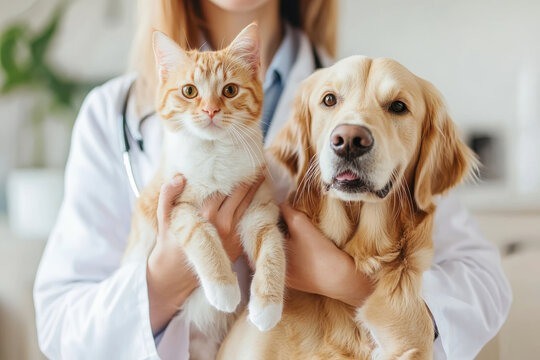
A small amount of preparation helps the visit go smoothly and ensures the veterinarian gets a complete picture of your pet’s health. The following are useful to gather before the appointment:
- Medical records or notes from a previous veterinarian if your pet is new to the practice
- A list of changes you have noticed at home, even small ones
- Information on what your pet eats, how often, and any treats or supplements
- A list of current medications and parasite preventives
- A stool sample, ideally collected within the last 24 hours, if requested
A wellness exam for dogs is often easier when the dog has had a chance to walk before arriving. For cats and small animals, a secure, towel-covered carrier helps reduce stress on the trip. If your pet tends to be anxious at the veterinary office, mention that to the team in advance, since a few small adjustments can make the visit calmer for everyone.
Common Issues Found During Routine Wellness Visits
Many of the conditions found during a wellness exam are far easier to treat in their early stages. Dental disease is one of the most common, particularly tartar buildup and gingivitis, which can be addressed through professional cleanings and at-home care before they progress to more serious problems. Skin and coat issues, including allergies, fleas, and small lumps, are also frequently flagged during routine exams.
Weight changes are another common finding. Slow weight gain or unexplained weight loss often reflects an underlying issue that may not be obvious at home but becomes clear when compared to the previous year’s records. In middle-aged and senior pets, veterinarians may also detect early heart murmurs, signs of arthritis, or subtle changes in kidney or thyroid function through routine bloodwork. Catching these conditions at a routine visit, rather than waiting for clear symptoms, often leads to a simpler treatment plan and a better outcome.
How Wellness Visits Support Long-Term Health
Annual wellness exams build a year-over-year record that becomes more valuable with time. A veterinarian who has seen a pet for several years has a clear sense of that pet’s normal weight, dental condition, blood values, energy, and behavior. When something shifts, even slightly, it stands out faster than it would in a first-time visit.
This continuity is especially valuable for senior pets. Many conditions of older age, including kidney disease, heart disease, and hormonal disorders, develop gradually. The earlier they are detected, the more options the pet has for comfortable, manageable care. Wellness exams also work hand in hand with other preventive services, since vaccinations, dental cleanings, parasite prevention, and bloodwork are all easier to plan and time correctly when the pet is seen consistently each year.
Making Wellness Care Part of Your Pet’s Routine
Annual visits are one of the simplest and most effective things an owner can do for a pet’s long-term health. They prevent more problems than they ever uncover, and they give the veterinary team the information they need to support each pet as they age. A consistent yearly schedule, supported by good at-home care and timely follow-up when something feels off, is the foundation of lifelong wellness.
If your pet is due for a checkup or you have noticed any changes at home, the next step is to book an exam. To schedule an annual wellness exam for pets with the team at Eagle Animal Hospital in Chester Springs, request an appointment online or learn more about our pet wellness services. Urgent care appointments are also available when concerns cannot wait until the next routine visit.
Frequently Asked Questions
Q: How often should my pet have a wellness exam?
A: Healthy adult dogs and cats should be seen once a year. Puppies and kittens need several visits in their first year for vaccines and growth checks. Senior pets and those with chronic conditions often benefit from exams every six months to catch age-related changes earlier.
Q: My pet seems perfectly healthy. Is an annual exam still necessary?
A: Yes. Pets are skilled at hiding illness, especially cats, and many conditions develop quietly for months before any symptoms appear. A routine exam can detect dental disease, heart murmurs, weight issues, and early organ changes long before they become serious.
Q: What does a wellness exam for dogs typically include?
A: A wellness exam for dogs includes a full physical examination, vital sign check, dental and oral review, weight assessment, parasite prevention review, vaccine updates, and a discussion of diet, behavior, and lifestyle. Bloodwork or additional testing may be recommended depending on age and history.
Q: How long does a wellness exam usually take?
A: Most wellness visits take between thirty and forty-five minutes. New patient appointments may run slightly longer, since the veterinarian gathers a full medical history. Bringing notes about your pet’s home behavior, diet, and any concerns can help make the visit more efficient.
Q: Should senior pets have wellness exams more often?
A: Yes. Senior dogs and cats often benefit from wellness exams every six months because age-related conditions such as kidney disease, arthritis, and dental disease can progress quickly. More frequent visits help the veterinarian catch and manage these changes earlier in the process.