
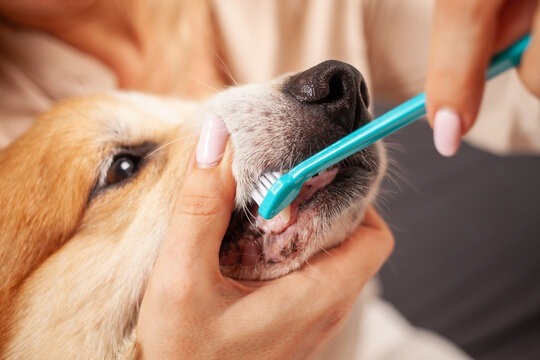
Many dog owners are surprised to learn that periodontal disease is one of the most common conditions in pets, affecting a significant percentage of dogs by the age of three. Yet professional dental cleanings are still one of the most overlooked parts of preventive veterinary care. Knowing how often dog dental cleaning is needed, and what affects that schedule, can make a real difference in your dog’s comfort, health, and lifespan.
Daily plaque builds into tartar within just a few days, and tartar cannot be removed at home. Once it hardens, only a professional cleaning can address it. Left in place, that tartar leads to gum inflammation, infection, and eventually tooth loss.
This guide explains how often most dogs need a professional cleaning, what factors raise or lower that frequency, what happens during a veterinary dental visit, and how at-home care fits into the bigger picture of dog oral health.
Why Dental Care Matters More Than Many Owners Realize
A dog’s mouth is one of the most important indicators of overall health. When plaque and tartar accumulate, bacteria multiply along the gum line and create chronic inflammation. Over time, this bacteria can enter the bloodstream and affect the heart, liver, and kidneys.
Dental issues also cause significant pain. Dogs are skilled at hiding discomfort, so an owner may not notice a problem until their dog stops eating hard food, becomes withdrawn, or develops obvious bad breath. By that point, the disease is usually well established.
Routine dental care for dogs prevents this cycle. It catches early disease before it spreads, removes the bacteria that drive inflammation, and protects the structures that hold teeth in place.
How Often Should Most Dogs Get a Dental Cleaning
For the average healthy adult dog, a professional cleaning is recommended once every twelve months. This is the schedule that fits best with most dogs’ rate of tartar accumulation and aligns with the annual wellness exam, when the veterinarian can also assess the mouth in detail.
However, this is a guideline rather than a rule. Some dogs need cleanings more often, and a smaller number can stretch the interval slightly longer. The right schedule depends on breed, age, diet, at-home care, and individual oral health.
Typical Cleaning Frequency by Dog Profile
| Dog Profile | Suggested Cleaning Frequency |
| Small breeds (Yorkies, Chihuahuas, Dachshunds, etc.) | Every 6 to 12 months |
| Medium and large breeds with good home care | Every 12 months |
| Senior dogs of any size | Every 6 to 12 months |
| Dogs with existing periodontal disease | Every 6 months or as advised |
| Dogs prone to retained baby teeth or crowding | Every 6 to 12 months |
| Brachycephalic breeds (Pugs, Bulldogs, Shih Tzus) | Every 6 to 12 months |
The veterinarian will recommend a personalized schedule based on what they see during the oral exam at each wellness visit.
Factors That Affect How Often Dog Dental Cleaning Is Needed
Several factors influence how quickly tartar builds up in a dog’s mouth and how often professional cleaning becomes necessary.
Breed and Mouth Structure
Small and toy breeds tend to develop periodontal disease earlier and more aggressively. Their teeth are crowded into a smaller jaw, which traps food and bacteria. Brachycephalic breeds, with their shortened faces, often have misaligned or rotated teeth that are harder to keep clean.
Age
Puppies rarely need professional cleanings, but adult dogs typically need one every year. Senior dogs often need them more frequently because plaque builds faster and the gums become more vulnerable to disease.
Diet
Soft and wet foods leave more residue on teeth than dry kibble. Treats high in sugar or starch also contribute to plaque. Diets formulated for dental health, especially those approved by the Veterinary Oral Health Council, can slow tartar buildup.
At-Home Care
Dogs whose teeth are brushed regularly at home generally need professional cleanings less often. Brushing remains the single most effective at-home tool for dog oral health.
Existing Dental Disease
Once a dog has developed gingivitis or periodontal pockets, the cleaning interval shortens. These dogs may need cleanings every six months to keep disease from progressing further.
What Happens During a Professional Dental Cleaning
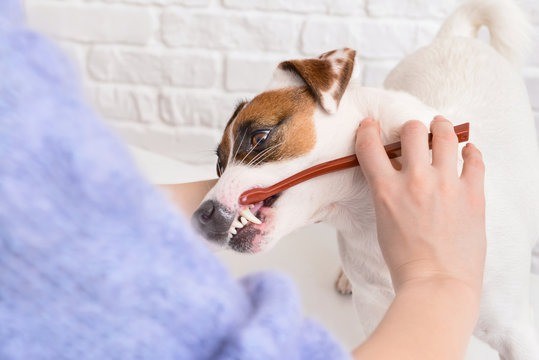
A veterinary dental cleaning is more thorough than what is possible at home or at a non-veterinary “anesthesia-free” cleaning. It is performed under anesthesia, which allows the veterinary team to safely clean below the gum line, take X-rays, and address any disease that is found.
A typical cleaning includes the following steps:
- Pre-anesthetic exam and bloodwork to confirm the dog is safe for anesthesia
- Digital dental X-rays, which reveal root infections, bone loss, and other issues that are not visible on the surface
- Ultrasonic scaling to remove tartar and plaque from above and below the gum line
- Polishing to smooth tooth surfaces and slow future plaque buildup
- Extractions if teeth are damaged, loose, or infected, with full pain management
- Recovery and discharge with home care instructions tailored to the dog
The use of digital dental X-rays is one of the most important parts of a complete cleaning, since most dental disease in dogs is hidden below the gum line.
At-Home Dental Care Between Cleanings
Daily brushing is the gold standard for dog teeth cleaning at home. Used consistently, it dramatically slows plaque accumulation and extends the time between professional cleanings.
Other supportive options include:
- Dental chews approved by the Veterinary Oral Health Council
- Dental diets formulated to reduce plaque
- Pet-safe enzymatic toothpastes
- Water additives designed for oral health
Begin slowly. Most dogs do not enjoy having their teeth brushed at first, so introduce the process in short, positive sessions. A full at-home dental care guide, including a step-by-step section on brushing, is available on our new puppy resources page under the brushing instructions. The same approach works for adult dogs as well.
Owners should never use human toothpaste, since many contain xylitol and fluoride that are toxic to dogs.
Warning Signs That a Cleaning Is Overdue
Some dogs need professional attention sooner than their next scheduled cleaning. Watch for any of the following:
- Persistent bad breath that goes beyond normal “dog breath”
- Visible tartar buildup along the gum line, especially on the back teeth
- Red, swollen, or bleeding gums
- Reluctance to chew hard food or treats
- Pawing at the mouth or face
- Dropping food while eating
- A new reluctance to be touched on the muzzle
- Loose or missing teeth
- Visible facial swelling near the jaw
Any of these signs should prompt an appointment with your veterinarian, even if the next routine cleaning is months away. A focused dental exam can be scheduled in between annual wellness exams when dental disease is suspected.
How Dental Care Connects to Whole-Body Health
Oral disease is rarely just an oral problem. Chronic inflammation in the mouth fuels low-grade inflammation throughout the body, and the bacteria responsible can reach the heart, liver, and kidneys through the bloodstream. Regular cleanings reduce this systemic risk and often add years of comfortable life.
This is also why dental exams are part of every routine wellness exam. The veterinarian can flag early changes in the gums, plaque levels, or tooth wear, and recommend a cleaning at the right time rather than waiting for visible problems to appear.
Keeping Your Dog’s Mouth Healthy for Life
A consistent approach to dental care for dogs, built on annual professional cleanings, daily home care, and regular oral exams, is one of the most effective ways to protect your dog’s long-term health. Dogs that receive this kind of preventive care tend to keep more of their teeth, experience less pain, and stay more active well into their senior years.
If you are unsure whether your dog is due for a cleaning, or if you have noticed any of the warning signs above, the next step is a dental exam. To schedule a dental evaluation or cleaning with the team at Eagle Animal Hospital in Chester Springs, request an appointment online or learn more on our dental care page.
Frequently Asked Questions
Q: At what age should my dog have their first dental cleaning?
A: Most dogs benefit from their first professional cleaning between one and three years of age, depending on breed and the amount of tartar present. Small breeds often need one earlier because of crowded teeth. Your veterinarian will recommend timing during an annual wellness exam.
Q: Is anesthesia necessary for dog teeth cleaning?
A: Yes. Anesthesia allows the veterinary team to clean below the gum line, take dental X-rays, and address any disease safely and without distress to the dog. Anesthesia-free cleanings only address the visible tooth surface and miss the source of most dental disease.
Q: How can I tell if my dog has periodontal disease?
A: Common signs include bad breath, red or swollen gums, visible tartar, bleeding from the mouth, reluctance to eat hard food, and loose teeth. Many dogs show no obvious signs in the early stages, which is why annual dental exams are important even for dogs that seem healthy.
Q: Can brushing my dog’s teeth replace a professional cleaning?
A: No, but it makes a significant difference. Brushing slows plaque buildup and extends the time between professional cleanings, but it cannot remove hardened tartar or address disease below the gum line. The two together are what protect a dog’s mouth long term.
Q: What happens if my dog needs an extraction during a cleaning?
A: If a tooth is damaged, loose, or infected, extraction may be necessary to relieve pain and prevent further infection. The procedure is performed under the same anesthesia as the cleaning, with full pain management, and most dogs recover quickly and eat normally within a few days.