
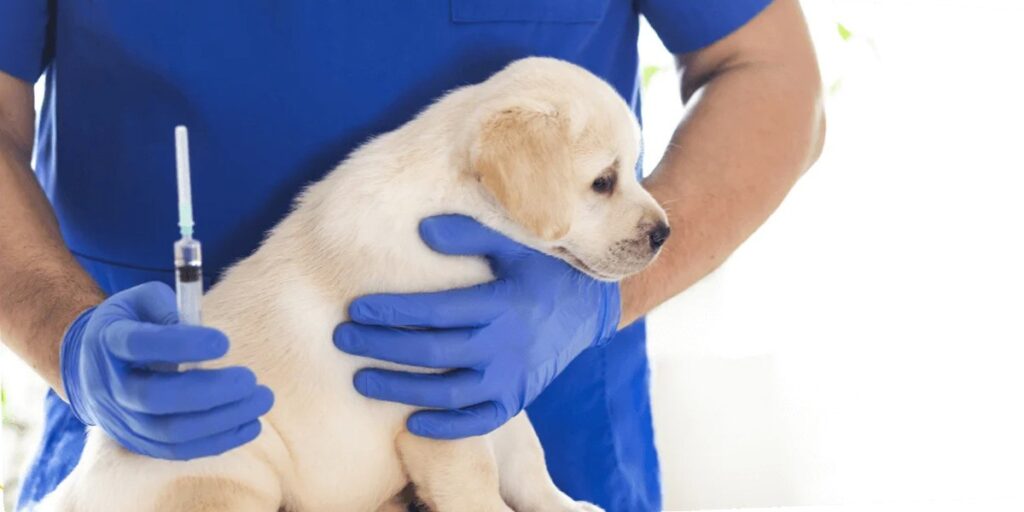
One of the most important things a new puppy owner can do in the first few months is follow a consistent vaccination plan. Vaccines protect puppies from serious, often life-threatening diseases during the period when their immune systems are still maturing. Understanding what is the vaccine schedule for puppies, and why each visit matters, helps owners make informed decisions from the very start.
A puppy’s immune protection from its mother, called maternal antibodies, begins to fade at around six to eight weeks of age. During this window, and for several weeks after, puppies are most vulnerable to infectious diseases. A structured puppy vaccine schedule bridges this gap by building lasting immunity through a series of carefully timed doses.
This guide walks through the full vaccination schedule, explains what each vaccine protects against, and covers what to expect after each visit, including how vaccines connect to broader preventive care for dogs.
Why Puppy Vaccines Matter
Vaccines work by training the immune system to recognize and fight specific pathogens. When a puppy receives a vaccine, the body produces antibodies. If the dog later encounters the actual disease, those antibodies recognize it quickly and stop the infection before it takes hold.
Without vaccines, puppies are exposed to diseases that spread easily between dogs and, in some cases, to people. Several canine diseases carry a high mortality rate, particularly in young dogs whose immune systems have not yet fully developed. Vaccination is not just a routine formality. It is one of the most effective tools in preventive care for dogs and a core part of keeping a puppy healthy through its first year and beyond.
What Is the Vaccine Schedule for Puppies
The puppy vaccine schedule follows the American Veterinary Medical Association (AVMA) guidelines and is structured around specific age windows. Each visit builds on the last, and missing or delaying appointments can leave gaps in protection. The first visit should happen within the first week of bringing your puppy home, ideally around six to eight weeks of age.The schedule is as follows:
| Age | Vaccines Given |
| 8 weeks | DAPPV, Bordetella |
| 12 weeks | DAPPv with Leptospirosis, Rabies (per Pennsylvania state law), Lyme |
| 16 weeks | DAPPv with Leptospirosis booster, Lyme booster, Influenza |
| 20 weeks | Influenza booster |
| After year 1 | DAPPv and Rabies every 3 years; Lyme, Lepto, Bordetella, and Influenza yearly |
This schedule is tailored to the puppy’s lifestyle, exposure to other dogs, and Pennsylvania state requirements. Your veterinarian will confirm which vaccines are most appropriate based on your dog’s individual circumstances.
What Each Vaccine Protects Against
Understanding what goes into each visit helps owners appreciate why the full series is necessary.
DAPPv
Commonly called the distemper shot, DAPPv is a combination vaccine that protects against five diseases: Canine Distemper, Adenovirus, Hepatitis, Parainfluenza, and Parvovirus. All five are highly contagious and can cause severe gastrointestinal and respiratory illness. Parvovirus in particular is known to be rapidly fatal in unvaccinated puppies, which is why DAPPv is given at every visit in the initial series.
Bordetella
Bordetella bronchiseptica causes kennel cough, a highly contagious and potentially serious respiratory infection. The vaccine is especially important for puppies that will be around other dogs in group settings such as dog parks, boarding facilities, or training classes.
Rabies
Rabies is a virus that causes inflammation of the brain and spinal cord and is almost always fatal. It is transmissible to people through the saliva of infected animals. In Pennsylvania, the puppy rabies vaccine is required by state law, with the first dose given at twelve weeks of age. This vaccine is non-negotiable and is one of the most critical components of the entire schedule.
Leptospirosis
Leptospirosis is a bacterial disease transmissible to people. It spreads through contact with infected urine, bite wounds, predation of wildlife, and contaminated water or soil. Without treatment, the bacteria can cause acute kidney and liver injury. Dogs in Chester County and surrounding areas with access to wooded trails, streams, or wildlife-heavy environments carry a higher exposure risk, which is why this vaccine is a standard part of the protocol.
Lyme Disease
Lyme disease is spread by bites from ticks infected with the bacteria Borrelia burgdorferi. In dogs, the infection can cause lethargy, painful joints, and in serious cases, kidney injury. Tick exposure is common in Chester Springs, Exton, and Downingtown, particularly in areas with dense vegetation. The Lyme vaccine is introduced at twelve weeks and followed by a booster at sixteen weeks.
Canine Influenza
Canine influenza (H3N2 and H3N8) is a highly contagious respiratory virus. It is recommended for dogs that are frequently exposed to other dogs, such as those that attend doggy daycare, dog parks, or boarding. The vaccine requires two doses given four weeks apart, which is why it appears at sixteen and twenty weeks on the schedule.
What to Expect After Each Vaccine Visit
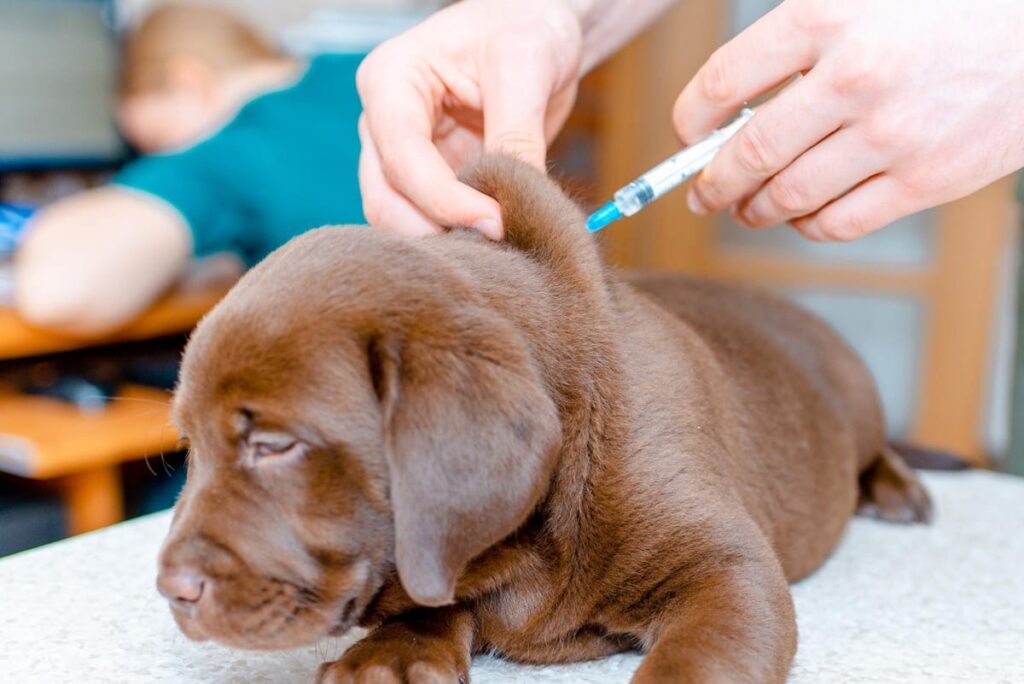
Most puppies tolerate vaccines well and show no side effects at all. Some may experience mild reactions that typically resolve within one to two days, including decreased energy and some soreness at the injection site. Both are normal and not a cause for concern.
Less commonly, a puppy may have a more significant reaction. Contact your veterinarian promptly if you notice vomiting, diarrhea, swelling of the muzzle or face, or hives. These are uncommon but should be addressed as soon as they appear. Severe reactions are rare and can usually be managed effectively when caught early.
Between visits, it is important to limit your puppy’s exposure to unknown dogs and unvaccinated animals until the vaccine series is complete. Full protection develops gradually with each dose in the series, not after the first shot alone.
How Vaccines Fit Into Broader Preventive Care for Dogs
Vaccination is one piece of a larger preventive care picture. At each puppy visit, your veterinarian will also check overall health, monitor growth and weight, screen for parasites, and discuss nutrition and behavior. These visits are an opportunity to ask questions, flag any concerns, and establish a health record that follows your dog throughout its life.
Parasite prevention is another key component. Products such as Credelio and Simparica Trio are used for flea and tick prevention, while Interceptor Plus protects against heartworm and intestinal parasites including roundworms, hookworms, whipworms, and tapeworms. Your veterinarian can help you choose the right combination for your puppy’s age, size, and lifestyle. For a full overview of what a first puppy appointment covers, visit our new puppy resources page.
Dental health is also introduced during the puppy stage. Beginning gentle brushing habits early, using pet-safe toothpaste, sets puppies up for healthier teeth as adults and reduces the likelihood of significant dental disease later in life. More detail on what routine wellness visits cover at each life stage is available on our pet wellness page.
Keeping the Schedule on Track
Consistency is the most important factor in an effective puppy vaccine schedule. Delayed or missed visits can leave a puppy vulnerable during the window when protection should be building. If you are unsure whether your puppy is on track, bring any previous records from the breeder, shelter, or prior veterinarian to the first appointment. Your veterinarian will confirm what has already been given and continue from there.
After the puppy series is complete, vaccines transition to an adult schedule. DAPPv and Rabies are given every three years, while Lyme, Leptospirosis, Bordetella, and Canine Influenza are repeated yearly. Keeping up with adult boosters is just as important as completing the initial series, since immunity from some vaccines does fade over time. For a full breakdown of all available vaccines and how they work, see our pet vaccinations page.
Starting Your Puppy’s Health Off Right
The first several months of a puppy’s life set the foundation for everything that follows. A complete, well-timed vaccine series protects against diseases that are largely preventable and builds a health record your veterinary team will reference for years. Combined with parasite prevention, routine wellness exams, and early dental care, vaccination is one of the most valuable investments a new dog owner can make.
To schedule your puppy’s first appointment and start the vaccine series, request an appointment online or call the team at Eagle Animal Hospital in Chester Springs directly.
Frequently Asked Questions
Q: What is the vaccine schedule for puppies in the first year?
A: The standard puppy vaccine schedule begins at 8 weeks with DAPPV and Bordetella, followed by visits at 12, 16, and 20 weeks that add Leptospirosis, Rabies, Lyme, and Canine Influenza. After the first year, vaccines continue on an adult schedule.
Q: When does a puppy get the rabies vaccine?
A: The puppy rabies vaccine is given at 12 weeks of age per Pennsylvania state law. Rabies is transmissible to people and is almost always fatal, which is why it is required by the state and included as a core part of every puppy’s protocol.
Q: Can my puppy socialize with other dogs before the vaccine series is complete?
A: It is best to limit exposure to unknown or unvaccinated dogs until the series is finished, typically around 20 weeks. Your puppy is not fully protected after just one or two doses. Ask your veterinarian about safe ways to socialize your puppy during this period.
Q: What should I do if my puppy has a reaction to a vaccine?
A: Mild reactions such as tiredness or soreness at the injection site are normal and typically resolve within one to two days. If your puppy develops vomiting, diarrhea, facial swelling, or hives, contact your veterinarian promptly as these may indicate a more significant reaction.
Q: Does my puppy need the Lyme and Leptospirosis vaccines?
A: Both are recommended as part of the standard protocol for puppies in the Chester Springs area. Lyme disease is spread by ticks common in Chester County, and Leptospirosis can be contracted through contact with wildlife and contaminated water. Your veterinarian will confirm based on your puppy’s specific lifestyle and exposure risk.